Sharp Daily
No Result
View All Result
Sunday, January 25, 2026
  • Home
  • News
    • Politics
  • Business
    • Banking
  • Investments
  • Technology
  • Startups
  • Real Estate
  • Features
  • Appointments
  • About Us
    • Meet The Team
Sharp Daily
  • Home
  • News
    • Politics
  • Business
    • Banking
  • Investments
  • Technology
  • Startups
  • Real Estate
  • Features
  • Appointments
  • About Us
    • Meet The Team
No Result
View All Result
Sharp Daily
No Result
View All Result
Home Opinion

The Real Estate Fallacy

Why Property Prices Don’t Rise Automatically

Solomon Kimani by Solomon Kimani
December 5, 2025
in Opinion
Reading Time: 2 mins read
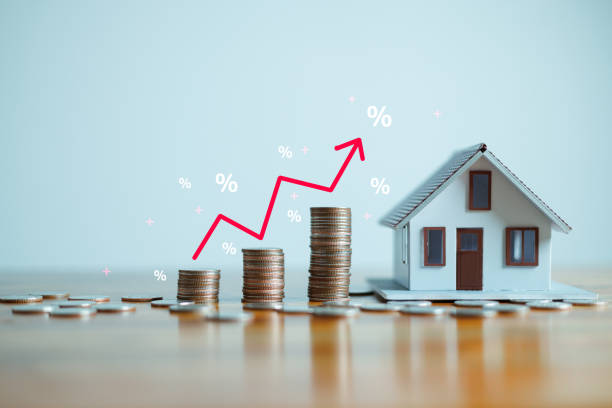
The up arrow shows the inflation rate. Interest rates increase, home loan, mortgage, house tax. investment and asset management concept. percentage for increasing interest rates with stacks coins

The up arrow shows the inflation rate. Interest rates increase, home loan, mortgage, house tax. investment and asset management concept. percentage for increasing interest rates with stacks coins

For decades, many investors in Kenya have operated under a comforting belief: real estate prices will always go up. This assumption has shaped buying decisions, fueled speculative developments, and driven land banking across the Nairobi Metropolitan Area. However, the notion of automatic price appreciation is a fallacy, one that increasingly exposes investors to financial risk.

Real estate does not appreciate by default; it grows in value only when supported by strong fundamentals. Factors such as infrastructure expansion, population growth, zoning policies, employment opportunities and quality of surrounding developments are what actually drive sustainable price increases. Without these, property values can stagnate for years or even decline, regardless of hype or perceived demand.

In recent years, parts of Nairobi and its satellite towns have demonstrated this reality. Areas oversupplied with residential units or commercial spaces have recorded slower growth and longer selling periods. Some land prices in traditionally speculative corridors have remained flat despite aggressive marketing. The message is clear: appreciation is not guaranteed, it is earned.

Moreover, global economic pressures, high interest rates, rising construction costs and shifting consumer preferences further challenge the old assumption. Buyers now demand amenities, efficiency, smart planning and proximity to social infrastructure. Poorly planned developments can quickly lose appeal, dragging values down.


RELATEDPOSTS

Inside Nairobi’s serviced apartments market: performance, demand & Investment outlook (2025)

December 31, 2025

Investors must therefore shift from passive optimism to evidence-based decision-making. Proper due diligence, market research, income potential analysis and project feasibility studies are essential. Value should be created through quality development, improved utility, innovation and strategic positioning, not simply the passage of time.

The fallacy of automatic appreciation is a costly myth. In today’s market, real estate rewards informed investors, not hopeful speculators. The smart approach is to buy based on fundamentals, invest in value creation, and allow appreciation to be the result, not the assumption.


Previous Post

Catalysts for Capital: The Strategic Role of Development Finance Institutions in Kenya

Next Post

The importance of credit scores and how banks use them

Solomon Kimani

Solomon Kimani

Related Posts

Counties

Counties Must Ramp Up Own-Source Revenue to Escape Delays in National Disbursements

January 23, 2026
Opinion

How targeted training is reshaping Kenya’s workforce readiness

January 22, 2026
Analysis

Safaricom to roll out tokenised wi-fi with hourly and daily plans

January 21, 2026
Economy

Strategies for Kenya after being spared US visa freeze

January 16, 2026
News

Kenya keeps a close eye on Uganda’s vote as trade and security hang in the balance

January 14, 2026
Banking

Kenya still relies on cheques as digital payments rise despite Sh200 billion in monthly transactions

January 13, 2026

LATEST STORIES

Why the Two-tiered Structure in NSSF is Important

January 23, 2026

Public enterprises in the capital market

January 23, 2026

Why Bank Lending Rates Remain Sticky Despite CBK Policy Signals

January 23, 2026

The Rising Foreign Ownership of Kenyan Banks: Opportunity, Risk, or Market Maturity?

January 23, 2026

Fuel price decline as a hidden stimulus

January 23, 2026

Beyond Representation: Are Kenya’s Foreign Missions Engines of Economic Growth?

January 23, 2026

Beyond Compliance: Why Money Laundering Is a Development Problem

January 23, 2026

LAPSSET: Delayed Vision or Long-Term Bet on Regional Integration?

January 23, 2026
  • About Us
  • Meet The Team
  • Careers
  • Privacy Policy
  • Terms and Conditions
Email us: editor@thesharpdaily.com

Sharp Daily © 2024

No Result
View All Result
  • Home
  • News
    • Politics
  • Business
    • Banking
  • Investments
  • Technology
  • Startups
  • Real Estate
  • Features
  • Appointments
  • About Us
    • Meet The Team

Sharp Daily © 2024