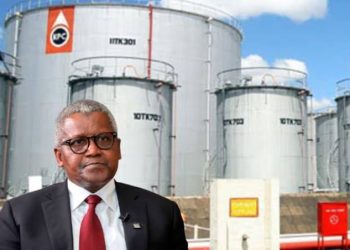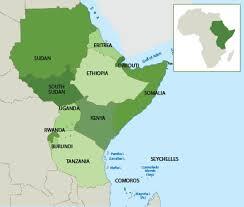
East Africa’s trade imbalance has long been shaped by a structural paradox, the region exports raw commodities while importing higher-value finished goods. Nowhere is this more evident than in the energy sector. Despite emerging crude oil production in countries like Uganda and untapped potential in Kenya, East Africa continues to import the vast majority of its refined petroleum products. The proposed regional refinery, backed by discussions with industrialist Aliko Dangote, could mark a turning point in this dynamic.
At the core of the issue is the fuel import bill. Petroleum products consistently rank among the largest import categories for countries such as Kenya and Uganda, exerting sustained pressure on foreign exchange reserves. This dependency exposes economies to global oil price volatility, currency fluctuations, and external supply shocks. In effect, East Africa exports value in crude form, directly or indirectly, only to re-import it at a premium.
A regional refinery offers a pathway to reverse this flow. By processing crude oil within the region, East Africa could significantly reduce its reliance on imported refined fuels such as petrol, diesel, and jet fuel. This would not only lower the import bill but also retain more value within domestic and regional economies. The result is a direct improvement in the trade balance, as fewer dollars are required to meet energy needs.
Beyond import substitution, the refinery could catalyze a broader shift in the region’s economic structure. Refining is not an isolated activity; it sits at the center of a wider industrial ecosystem. Petrochemicals, plastics, fertilizers, and other downstream industries could emerge, further reducing imports and even creating export opportunities. Over time, this could transform East Africa from a net importer of energy products into a more balanced or even surplus player in select segments.


The implications for foreign exchange stability are also significant. Reduced demand for hard currency to finance fuel imports would ease pressure on local currencies, contributing to greater macroeconomic stability. For countries like Kenya, where fuel imports are a key driver of current account deficits, this shift could provide much-needed breathing room for monetary policy and fiscal planning.
However, the impact is not guaranteed. The success of such a project hinges on execution, coordination, and governance. A multi-country refinery requires alignment on financing, ownership structures, and supply agreements. Competing national interests, such as Uganda’s own refinery ambitions, could complicate progress. Additionally, large-scale infrastructure projects in the region have historically faced delays and cost overruns, which could dilute expected gains.
There is also the question of scale and efficiency. For the refinery to meaningfully shift the trade balance, it must operate at a capacity that meets regional demand while remaining cost-competitive with global suppliers. If poorly executed, the project risks becoming a high-cost asset that fails to deliver its intended economic benefits.
Ultimately, the proposed regional refinery represents more than an energy investment, it is a strategic economic intervention. If successfully implemented, it could help East Africa move up the value chain, reduce external vulnerabilities, and reshape its trade dynamics. If not, it may serve as another reminder that vision alone is not enough to transform structural economic realities.