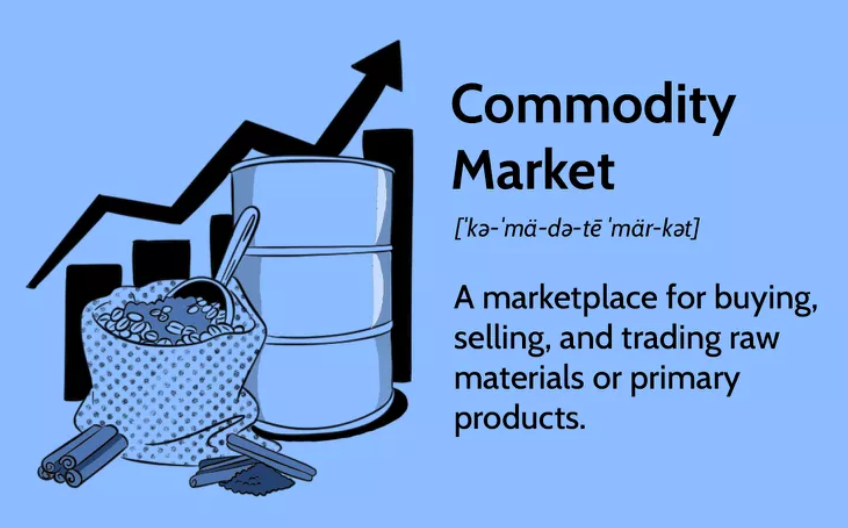
Commodity prices are a major factor influencing global financial markets and investment decisions. Commodities such as oil, natural gas, metals, and agricultural products are essential inputs in economic activity, making their price movements significant for businesses, governments, and investors. Changes in commodity prices can affect inflation, exchange rates, corporate profitability, and overall market sentiment, creating both opportunities and risks across different asset classes.
Energy commodities, particularly crude oil, often have a broad impact on economic performance and financial markets. Rising oil prices can increase transportation and production costs for businesses, contributing to inflationary pressures. Higher energy costs may reduce consumer purchasing power and affect corporate profit margins, especially in energy-intensive industries. Conversely, declining oil prices can lower operating costs and support economic activity in oil-importing economies.
Metal prices also play an important role in investment markets. Industrial metals such as copper and aluminum are closely linked to manufacturing and construction activity, making them indicators of global economic demand. Precious metals like gold and silver, on the other hand, are often viewed as safe-haven assets during periods of economic uncertainty or inflation. Investors frequently increase exposure to precious metals when seeking protection against market volatility or currency depreciation.
Agricultural commodity prices influence both economic conditions and investment behavior. Fluctuations in food prices can affect inflation levels, particularly in economies where food expenditure represents a large share of household spending. Weather conditions, supply chain disruptions, and geopolitical developments often contribute to volatility in agricultural markets, influencing investment decisions in related sectors.


Commodity-exporting economies are particularly sensitive to changes in global commodity prices. Rising prices can improve export revenues, strengthen fiscal balances, and support currency appreciation. This may enhance investor confidence and attract foreign capital. However, heavy dependence on commodities can also expose economies to external shocks when prices decline, potentially leading to reduced government revenues and slower economic growth.
Financial markets often respond to commodity price movements through changes in sector performance. Energy, mining, and agricultural companies may benefit during periods of rising commodity prices, while industries reliant on raw material inputs may face higher costs. Investors therefore monitor commodity trends closely when evaluating sectoral opportunities and portfolio allocation strategies.
Commodity prices also influence monetary policy and interest rate expectations. Significant increases in commodity prices can contribute to inflationary pressures, prompting central banks to adjust interest rates to maintain price stability. These policy responses can affect bond markets, equity valuations, and currency movements, further influencing investment conditions.
Exchange rates are another channel through which commodity prices affect investment markets. Commodity-exporting countries often experience currency appreciation when export revenues rise, while declining commodity prices may weaken their currencies. These movements can impact foreign investment returns and trade competitiveness.
In addition, commodities themselves are considered an asset class within diversified investment portfolios. Investors may allocate funds to commodities to hedge against inflation, diversify risk, or gain exposure to global economic trends. Commodity-linked exchange-traded funds and futures markets have expanded access to these investments for institutional and retail investors alike.
In conclusion, commodity prices have a far-reaching influence on investment markets and economic conditions. By affecting inflation, corporate earnings, government revenues, and investor sentiment, commodity price movements shape opportunities and risks across financial markets. Understanding these dynamics is essential for investors seeking to navigate changing economic and market environments.