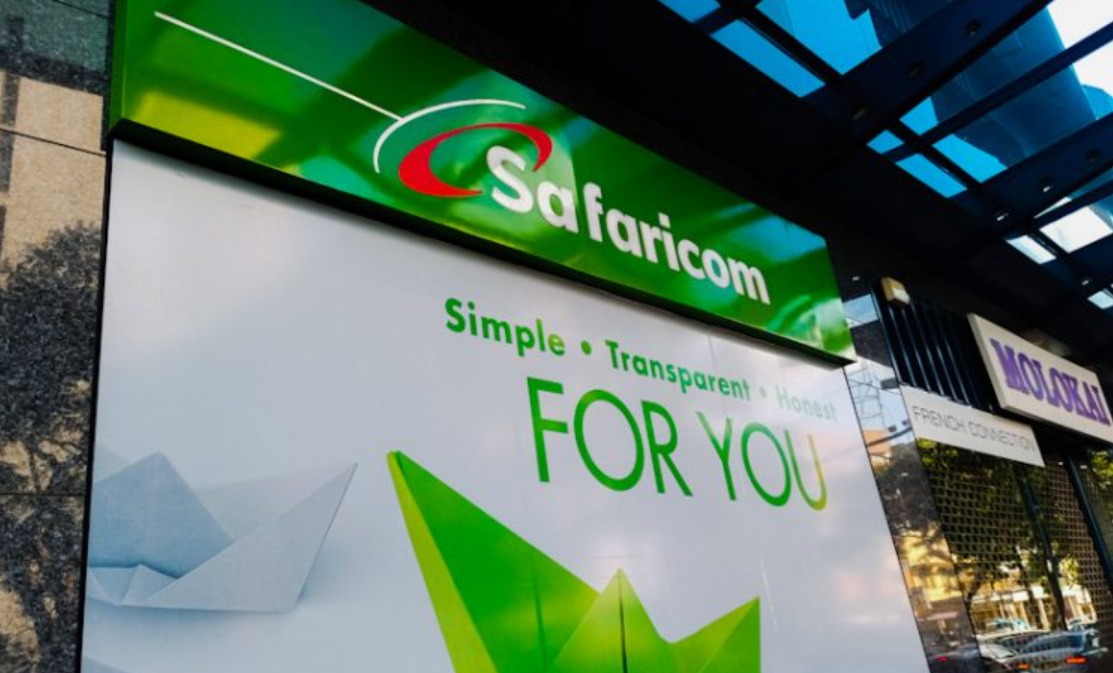
Safaricom’s decision to work directly with oil marketers to secure fuel supplies for its base stations signals how geopolitical tensions are increasingly becoming an operational risk for Africa’s digital infrastructure. The move follows fuel supply disruptions linked to instability in the Middle East, exposing how vulnerable telecommunications networks remain to global energy shocks despite rapid advances in digital connectivity.
The strategy reflects a growing reality for telecom operators: network reliability is no longer dependent solely on technology investment, but also on energy security. Base stations, which form the backbone of mobile communication and internet services, rely heavily on uninterrupted power supply. In many markets across Africa, backup diesel generators remain critical due to unstable electricity grids and power outages.
For Safaricom, maintaining uninterrupted network availability is especially significant given the scale of its operations and the growing dependence of Kenya’s economy on mobile connectivity. The company supports millions of voice, data, and mobile money transactions daily through M-Pesa, making network downtime not just a technical issue, but an economic risk.
The development comes at a time when global fuel markets remain volatile following disruptions affecting nearly 20 percent of global energy supply routes linked to escalating Middle East tensions. Kenya has already experienced sharp increases in fuel prices, with petrol prices rising by double digits in recent months while diesel costs have also climbed significantly. Rising fuel costs directly affect telecom operational expenses because thousands of network towers across the country depend on diesel-powered backup systems.


This creates a new layer of cost pressure for telecom firms already investing heavily in network expansion, 5G rollout, and data infrastructure. Energy expenses form a substantial portion of telecom operating costs, particularly in emerging markets where grid reliability remains inconsistent. As a result, prolonged fuel disruptions could affect profitability, capital expenditure planning, and service pricing across the sector.
Safaricom’s latest move also reflects a broader strategic shift among corporations toward supply chain resilience rather than relying entirely on market availability. Instead of waiting for disruptions to stabilise, firms are increasingly entering direct arrangements with suppliers to guarantee access to critical resources.
The telecom industry’s dependence on energy security is becoming more visible as digital economies expand. Mobile money systems, e-commerce platforms, cloud services, remote work infrastructure, and digital banking all depend on stable telecom networks. Any disruption in fuel availability now carries wider economic implications beyond communication alone.
The situation also highlights the interconnectedness between geopolitics and local digital infrastructure. A conflict occurring thousands of kilometres away can still affect mobile network stability in Kenya through fuel supply chains, shipping disruptions, and higher energy costs.
At the same time, the crisis may accelerate investment in alternative energy solutions within the telecom industry. Solar-powered towers, battery storage systems, and hybrid energy infrastructure are increasingly being viewed not just as sustainability initiatives, but as operational risk-management tools. Telecom firms seeking long-term resilience may now intensify efforts to reduce dependence on diesel generators and imported fuel.
The broader concern for Kenya’s digital economy is that rising operational costs within the telecom sector could eventually spill over to consumers through higher data, voice, or mobile transaction charges if energy volatility persists.
Safaricom’s response underscores a larger structural issue emerging globally: in an increasingly digital economy, energy security is becoming inseparable from connectivity security.