Looking beyond reported profits
Profitability is one of the most important indicators investors use to evaluate a company's financial performance. Rising earnings can indicate...
Read moreDetails


Profitability is one of the most important indicators investors use to evaluate a company's financial performance. Rising earnings can indicate...
Read moreDetailsThe integration of African capital markets is creating opportunities for investors to diversify their portfolios beyond domestic securities. Traditionally, Kenyan...
Read moreDetailsForeign direct investment (FDI) is an important source of external capital for developing economies, providing financing for businesses, supporting expansion,...
Read moreDetailsDividends are among the most visible ways through which shareholders receive returns from listed companies. A high dividend yield can...
Read moreDetailsLiquidity is one of the most important, yet sometimes overlooked, considerations in investment analysis. An investment may have attractive returns,...
Read moreDetailsKenya's collective investment schemes (CIS) market is becoming an increasingly important channel for household and institutional savings, as more investors...
Read moreDetailsWhen evaluating a company, investors often focus on its market capitalization or share price to determine whether a stock appears...
Read moreDetailsFree cash flow is an important metric in investment analysis because it provides insight into the amount of cash a...
Read moreDetailsInfrastructure has become an increasingly important area of investment analysis as governments, businesses, and institutional investors seek to address long-term...
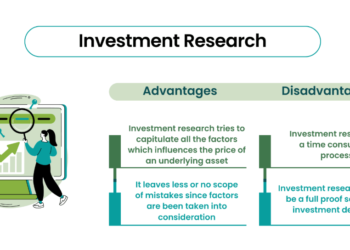
Read moreDetailsInvestment research is a fundamental part of financial decision-making, helping investors evaluate securities, industries, and broader economic conditions before committing...
Read moreDetails