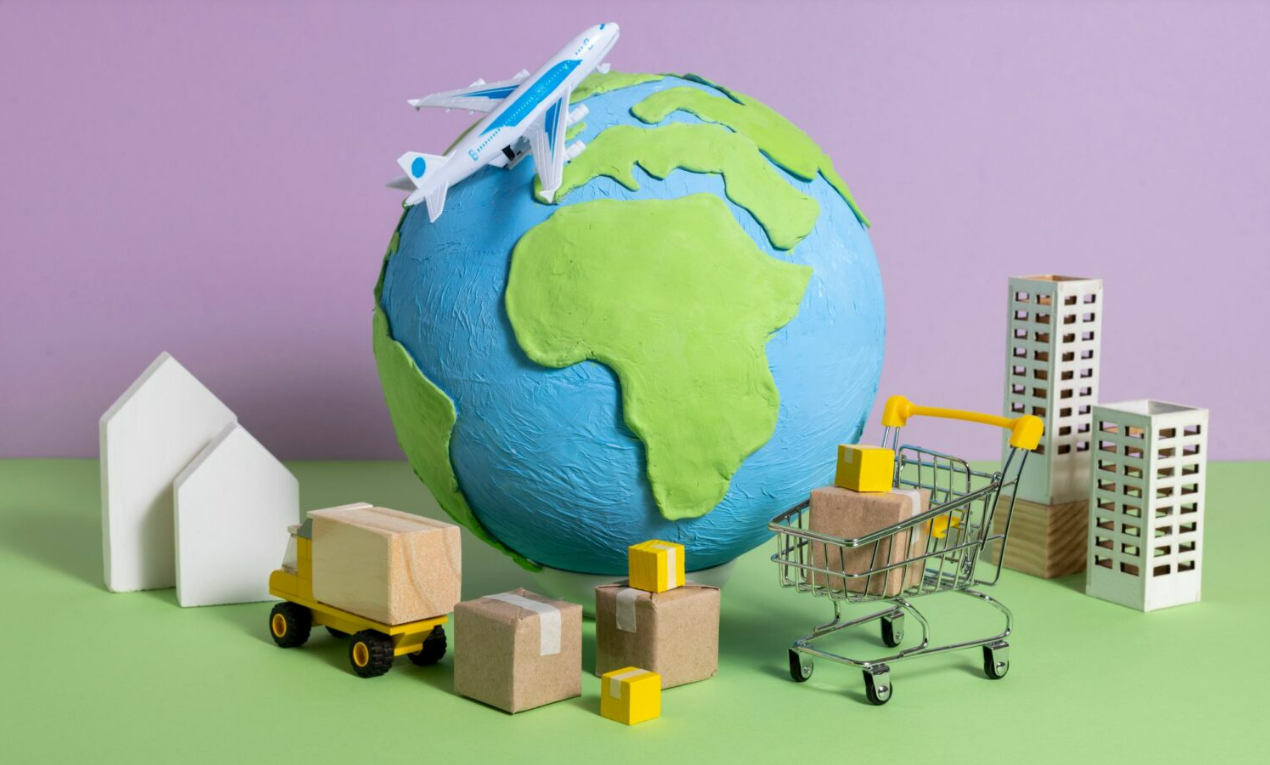
Global trade plays a central role in shaping economic growth, investment flows, and financial market performance. Through the exchange of goods and services across borders, countries gain access to larger markets, specialized products, advanced technologies, and foreign capital. As economies become increasingly interconnected, trade dynamics continue to influence investment opportunities and macroeconomic stability on both regional and global levels.
One of the primary benefits of global trade is the expansion of market access for businesses. Companies that participate in international trade can reach broader consumer bases beyond their domestic markets, increasing revenue potential and supporting business growth. Export-oriented industries often benefit from economies of scale, improved productivity, and enhanced competitiveness, which can positively influence corporate earnings and investor confidence.
Trade also contributes to economic diversification. Countries that expand their trade relationships can reduce dependence on a limited number of industries or domestic demand sources. Diversification strengthens economic resilience and creates opportunities for investment across multiple sectors, including manufacturing, agriculture, logistics, technology, and financial services.
Foreign direct investment is closely linked to global trade activity. Investors often allocate capital to economies with strong trade networks, stable export performance, and favorable business environments. Trade agreements and regional economic partnerships can further encourage investment by reducing barriers such as tariffs and regulatory restrictions. Increased foreign investment can support infrastructure development, industrial growth, and job creation.


Exchange rates are another important factor connecting trade and investment. Strong export performance can contribute to currency stability by increasing foreign exchange earnings, while trade imbalances may place pressure on exchange rates. Currency movements, in turn, affect investment returns, inflation, and the cost of imported goods and raw materials. Investors therefore monitor trade balances and currency trends when evaluating economic conditions.
Global trade also influences financial markets through supply chain integration and commodity demand. Manufacturing industries rely heavily on international supply chains for raw materials, intermediate goods, and technology inputs. Disruptions in trade flows, whether caused by geopolitical tensions, logistical constraints, or policy changes, can affect production costs, corporate profitability, and market sentiment.
Technological advancements have accelerated the growth of international trade by improving communication, transportation, and digital commerce. E-commerce platforms and digital financial systems have enabled businesses of different sizes to participate more easily in global markets. These developments have created new investment opportunities in technology, logistics, telecommunications, and digital infrastructure.
However, global trade can also expose economies to external risks. Economic slowdowns in major trading partners, changes in trade policy, or global financial instability can reduce export demand and affect investment flows. Protectionist measures, including tariffs and trade restrictions, may disrupt supply chains and increase uncertainty within financial markets. As a result, investors often assess geopolitical developments and international trade policies when making investment decisions.
Trade competitiveness is another factor influencing long-term investment attractiveness. Economies that invest in infrastructure, innovation, workforce development, and efficient production systems are generally better positioned to compete in global markets. Strong competitiveness can attract investment and support sustained economic growth.
In conclusion, global trade remains a vital driver of investment activity and economic development. By expanding market access, encouraging capital flows, and supporting industrial growth, trade contributes significantly to financial market performance and long-term economic progress. Understanding global trade dynamics is therefore essential for investors seeking to identify opportunities and manage risks in an interconnected global economy.