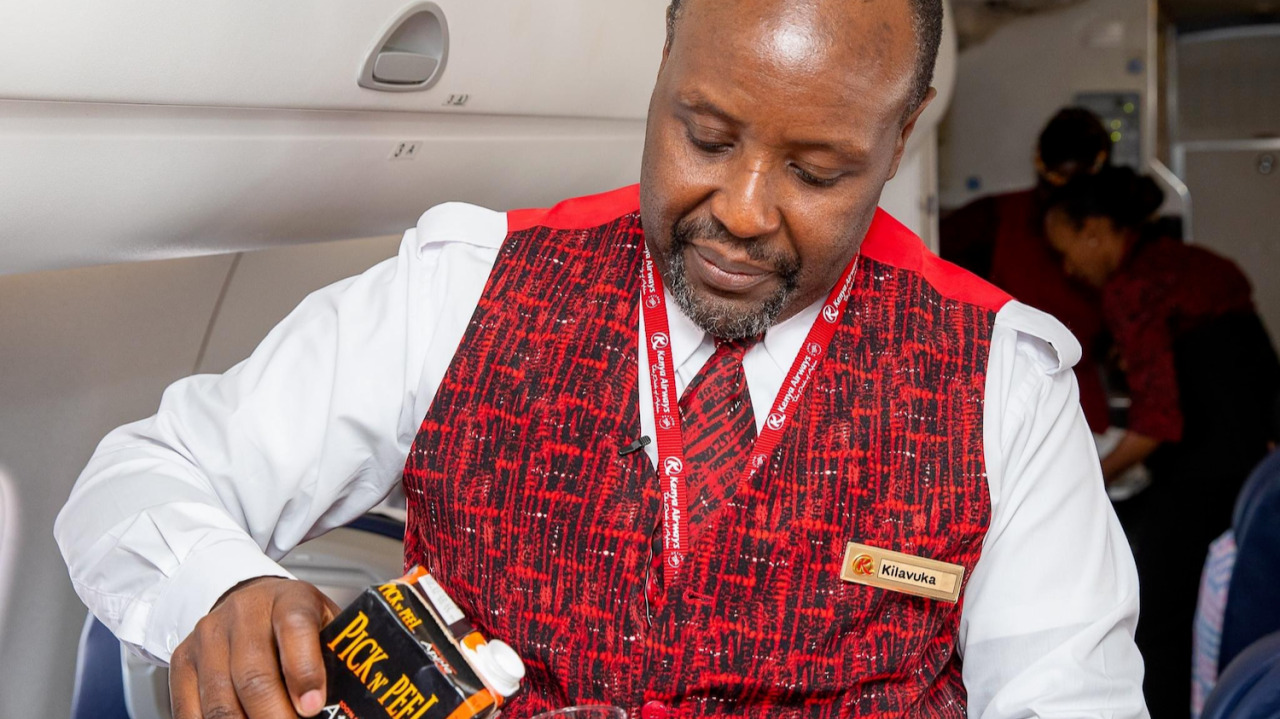
Former Kenya Airways Chief Executive Officer Allan Kilavuka is set to walk away with an estimated Sh131 million exit package following his departure from the national carrier, drawing significant public attention and debate over executive compensation in state-linked corporations. Kilavuka’s exit marks the end of a leadership period that began in 2020, a time when Kenya Airways was facing one of its most challenging financial and operational crises. The airline, like many others globally, was heavily impacted by the COVID-19 pandemic, which grounded flights, reduced passenger demand, and placed immense pressure on airline revenues worldwide. During his tenure, Kilavuka was tasked with steering the airline through recovery, stabilizing operations, and restoring financial confidence among stakeholders. His leadership focused on restructuring efforts, cost optimization, and rebuilding strategic partnerships that would help the airline regain its footing in a highly competitive aviation market.
The reported Sh131 million payout is understood to include a combination of contractual benefits, performance-based incentives, accumulated allowances, and exit-related compensation. While the airline has not publicly detailed the full breakdown, the figure has quickly become a topic of public discussion, particularly given Kenya’s ongoing economic pressures and broader debates around public-sector remuneration. Supporters of Kilavuka’s leadership argue that the payout reflects the complexity and scale of the transformation he oversaw. They point to the difficult environment in which he operated, including volatile fuel prices, debt pressures, and reduced global travel demand. Under his leadership, Kenya Airways also pursued operational restructuring efforts aimed at improving efficiency and long-term sustainability. In addition, the airline worked on rebuilding its market position through strategic route management and partnerships that sought to strengthen its regional and international presence. These efforts were part of a broader turnaround strategy designed to move the airline back toward profitability and operational stability.
However, critics have questioned whether such a large payout is appropriate for a company that has historically relied on government support. Concerns have been raised about executive pay structures in public or semi-public institutions, especially at a time when many citizens are grappling with rising living costs and economic uncertainty. The debate reflects a broader tension between rewarding executive performance and ensuring accountability in organizations that carry public interest responsibilities. While some view the payout as justified compensation for navigating a complex recovery period, others see it as excessive given the airline’s past financial struggles. Kilavuka’s departure leaves Kenya Airways at a crucial point in its recovery journey. The airline continues to face challenges including high operating costs, currency fluctuations, and intense regional competition. At the same time, it is also positioned with a more stable operational base compared to previous years.
As the airline transitions to new leadership, attention will now shift to whether the gains made during Kilavuka’s tenure can be sustained and built upon. His exit package may continue to generate discussion, but it also closes a significant chapter in the airline’s ongoing efforts to rebuild and redefine its future in African aviation.