The importance of asset allocation in long-term investment strategy
Asset allocation is a fundamental component of investment strategy, determining how an investor distributes capital across different asset classes such...
Read moreDetails


Asset allocation is a fundamental component of investment strategy, determining how an investor distributes capital across different asset classes such...
Read moreDetailsExternal debt is a key component of public and private sector financing, particularly in developing and emerging economies. It refers...
Read moreDetailsInflation targeting has become a widely adopted monetary policy framework, particularly among both advanced and emerging economies seeking to maintain...
Read moreDetailsSavings and investment are fundamental drivers of economic development, forming the backbone of capital formation and long-term growth. In any...
Read moreDetailsEconomic cycles, also known as business cycles, represent the natural fluctuations in economic activity over time. These cycles typically move...
Read moreDetailsDividend policy is a key consideration in investment analysis, influencing how companies distribute earnings to shareholders and how investors evaluate...
Read moreDetailsCorporate governance is a critical factor in shaping investor confidence and influencing capital allocation decisions. It refers to the system...
Read moreDetailsThe relationship between risk and return is a central principle in investment analysis, guiding how individuals and institutions allocate capital...
Read moreDetailsFinancial inclusion has become an increasingly important factor in shaping modern investment landscapes, particularly in emerging and developing economies. It...
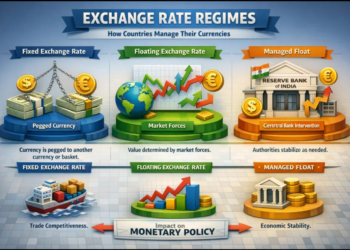
Read moreDetailsExchange rate regimes play a fundamental role in shaping a country’s macroeconomic environment, influencing inflation, trade competitiveness, capital flows, and...
Read moreDetails