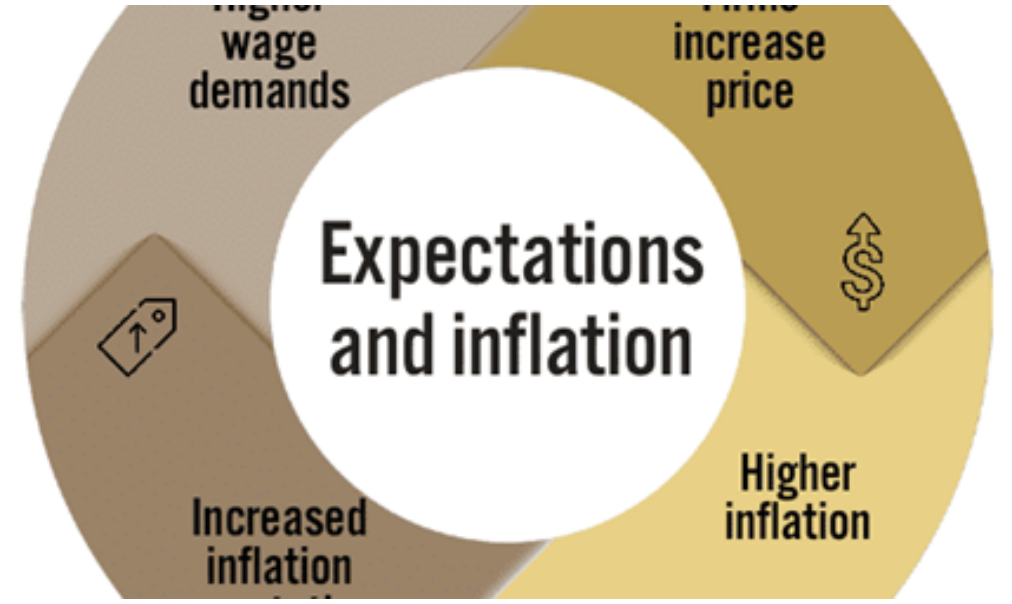
Inflation expectations play a significant role in shaping investment decisions, influencing how individuals, institutions, and policymakers allocate resources across different asset classes. Rather than focusing solely on current inflation levels, investors often look ahead and form expectations about future price movements. These expectations can affect interest rates, asset valuations, and overall market behavior, making them a critical factor in financial decision-making.
One of the primary ways inflation expectations influence investments is through their relationship with interest rates. When investors anticipate higher inflation in the future, they often demand higher returns to compensate for the expected decline in purchasing power. This can lead to an increase in yields on fixed income securities such as government bonds. As yields rise, the prices of existing bonds tend to fall, affecting the value of fixed income portfolios. Conversely, when inflation expectations are stable or declining, bond yields may remain lower, supporting bond prices.
Equity markets are also sensitive to changes in inflation expectations. Moderate and predictable inflation can support corporate earnings by allowing businesses to adjust prices and maintain profit margins. However, rising inflation expectations can increase input costs, reduce consumer purchasing power, and create uncertainty about future profitability. This may lead to adjustments in stock valuations, particularly in sectors that are more sensitive to cost fluctuations or consumer demand.
Inflation expectations also influence investor behavior in real assets such as real estate and commodities. These assets are often considered potential hedges against inflation because their values may rise as prices increase in the broader economy. For example, property values and rental income may adjust over time in response to inflationary pressures, while commodity prices often reflect global supply and demand dynamics that are influenced by inflation trends.


Currency markets are another area where inflation expectations have an impact. Higher expected inflation in a country may lead to currency depreciation if investors perceive a decline in the currency’s real value. On the other hand, countries with relatively lower and stable inflation expectations may experience stronger currency performance, attracting foreign investment seeking more stable returns.
Investor sentiment and market dynamics are also shaped by how inflation expectations evolve. Sudden shifts in expectations can lead to increased market volatility as investors adjust their portfolios in response to changing economic conditions. Central banks often monitor inflation expectations closely, as they play a key role in guiding monetary policy decisions aimed at maintaining price stability and supporting economic growth.
Overall, inflation expectations serve as a forward-looking indicator that influences a wide range of investment decisions. By incorporating expectations about future price levels into their strategies, investors can better manage risks, adjust asset allocations, and respond to evolving economic conditions.