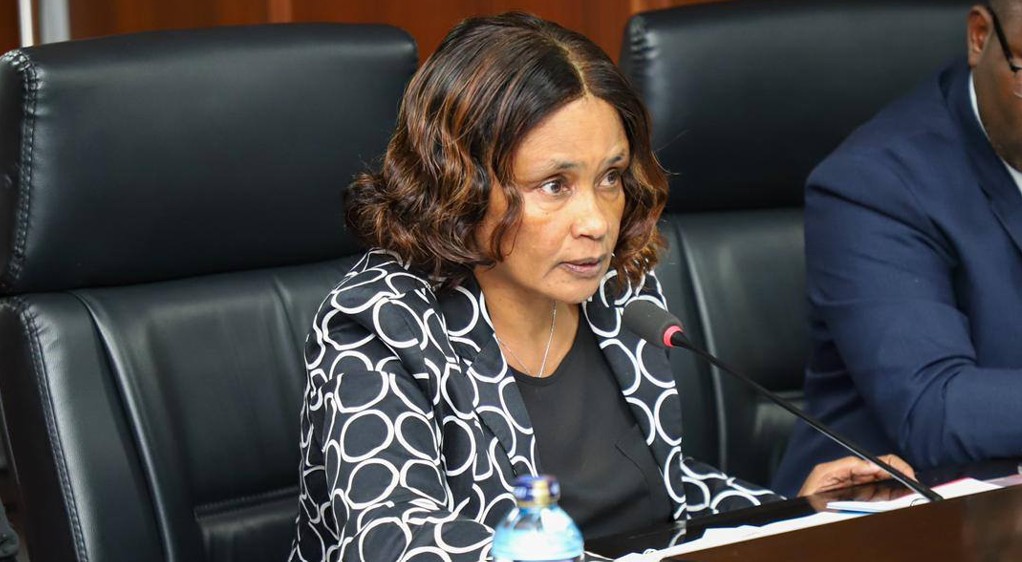
A recent audit of Kenya’s teachers’ medical insurance scheme has exposed major gaps in funding, access, and service delivery, raising serious concerns about the effectiveness of healthcare support for over 340,000 educators and their dependants.The audit by the Office of the Auditor General highlights structural weaknesses within the Teachers Service Commission (TSC) medical scheme, valued at over KSh53 billion. Despite the scheme’s intention to provide comprehensive healthcare, the report reveals that many teachers are still struggling to access essential services.
One of the most critical findings is a significant funding shortfall. The TSC reportedly required approximately KSh26.5 billion to sustain the medical cover but received only KSh16.5 billion, leaving a gap of nearly KSh10 billion. This deficit has strained the system, leading to delayed payments to healthcare providers and threatening continuity of care for teachers.Access to healthcare services has also emerged as a major concern. The audit found that several government hospitals were excluded from the scheme without clear justification, limiting options for teachers—especially those in rural areas. In some regions, teachers have access to only a handful of accredited facilities, forcing them to travel long distances or pay out of pocket for treatment.
Additionally, inefficiencies in service delivery continue to frustrate beneficiaries. Lengthy pre-authorisation procedures have led to delays in treatment, with some teachers unable to receive timely care. As a result, many are compelled to cater for urgent medical expenses themselves, undermining the purpose of the insurance scheme.The audit further flagged a lack of actuarial analysis to determine whether the premiums paid are sufficient to cover the risks insured. This absence of proper financial evaluation raises questions about the long-term sustainability of the scheme and its ability to meet growing healthcare demands.
These challenges have sparked unrest within the teaching fraternity. Teacher unions have already raised concerns over limited hospital networks and ineffective implementation of the new Social Health Authority (SHA) scheme, warning of potential industrial action if issues remain unresolved.The broader financial instability within TSC compounds the problem. The commission is currently grappling with a multi-billion-shilling deficit, which threatens its ability to meet obligations, including healthcare provisions.The audit findings underscore the urgent need for reforms to strengthen teachers’ medical cover. Experts recommend increased funding, expansion of the provider network, improved efficiency in claims processing, and enhanced oversight to ensure transparency and accountability.Ultimately, addressing these gaps is essential not only for safeguarding teachers’ health but also for maintaining morale and productivity in Kenya’s education sector. Without decisive intervention, the shortcomings in the medical scheme could continue to erode confidence and disrupt service delivery in schools nationwide.