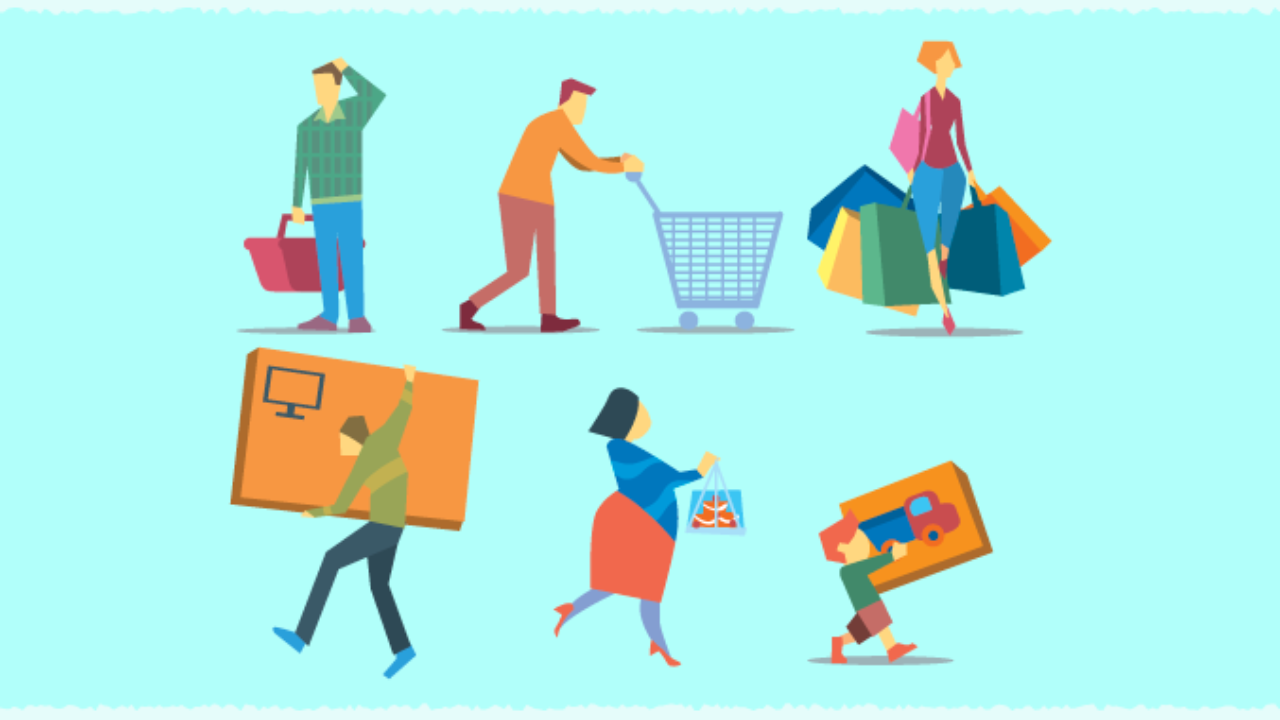
The checkout button has never been easier to click; and that convenience is costing consumers more than they realize.
Impulse buying is not a new phenomenon, but the digital age has turbocharged it. Algorithms that know your preferences better than your closest friends, one-tap payments, countdown timers, and social media feeds engineered to trigger desire have turned spontaneous spending into a near-constant temptation. The financial consequences are substantial and, for many consumers, quietly devastating.
What was once limited to a chocolate bar at the supermarket till has evolved into something far more expensive. Consumers today are making large, unplanned purchases; on clothing, electronics, travel, and even groceries, often within seconds of encountering a product online. The average monthly impulse spend has swung wildly in recent years, spiking during periods of consumer confidence and dipping when inflation bites, but it never disappears entirely. That resilience is telling: the urge to spend impulsively is not a budgetary condition, it is a behavioral one.
The digital environment is deliberately designed to lower resistance. Platforms like TikTok and Instagram have evolved into powerful shopping engines, particularly for younger consumers. Influencers drive real-time sales through livestreams, haul videos, and shoppable content, while limited-time offers and flash sales trigger instant decisions. The emotional architecture of these platforms, combining urgency, social validation, and frictionless payment, is purpose-built to bypass rational financial thinking.

Perhaps the most consequential development is the rise of Buy Now, Pay Later (BNPL) services, which have removed the last psychological barrier to impulse spending: the immediate sting of parting with money. By breaking a purchase into smaller instalments, BNPL creates the illusion of affordability. The problem is that consumers tend to use it not instead of other debt, but on top of it. Research from the Consumer Financial Protection Bureau found that regular BNPL users carry significantly higher credit card and personal loan balances than non-users of comparable financial profiles, suggesting the product is amplifying spending rather than simply restructuring it.
Younger consumers are most exposed. Generation Z has embraced BNPL faster than any other demographic, with many now using instalment services more frequently than credit cards. What was marketed as a budgeting tool is increasingly functioning as a debt accelerator, particularly as late payments among BNPL users have been rising year on year.
The antidote, financial advisors consistently argue, is intentionality. Building a budget, introducing a mandatory waiting period before non-essential purchases, and regularly auditing bank statements for unplanned spending are basic but effective habits. In an era where every app, platform, and checkout page is optimized to make you spend before you think, the most powerful financial decision may simply be the pause.