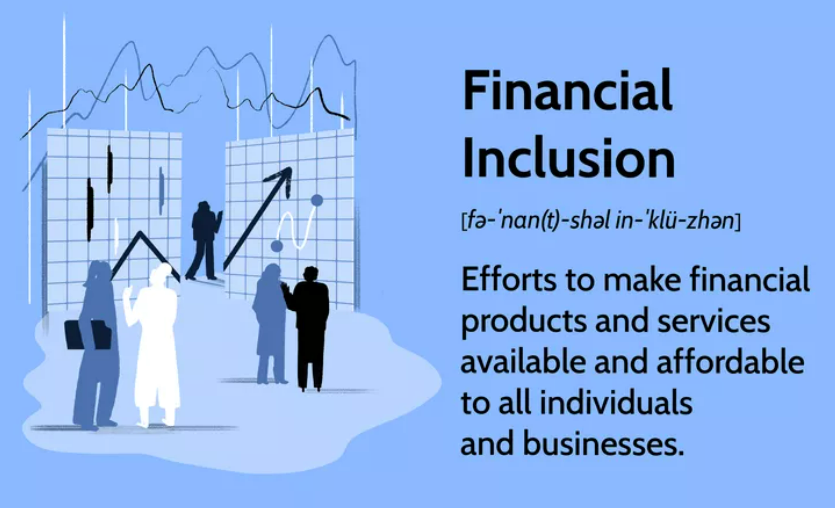
Financial inclusion has become an increasingly important factor in shaping modern investment landscapes, particularly in emerging and developing economies. It refers to the ability of individuals and businesses to access useful and affordable financial services, including banking, credit, savings, insurance, and investment products. As financial systems expand and become more accessible, a broader segment of the population can participate in investment activities, contributing to both individual wealth creation and overall economic growth.
One of the primary ways financial inclusion supports investment participation is by increasing access to formal financial institutions. When individuals have access to bank accounts and digital financial services, they are better positioned to save and invest their funds. Savings accounts, mobile money platforms, and digital wallets often serve as entry points into more advanced financial products such as unit trusts, bonds, and equities. This progression enables individuals to gradually transition from basic financial management to active investment participation.
Digital financial innovation has played a major role in accelerating financial inclusion. Mobile banking, fintech platforms, and online investment services have reduced traditional barriers such as geographical distance and high transaction costs. These technologies allow users to invest small amounts of money, monitor their portfolios, and access financial information in real time. As a result, individuals who were previously excluded from formal financial systems can now participate in capital markets more easily.
Financial inclusion also contributes to improved capital allocation within the economy. When more people are able to save and invest, the pool of available funds for investment increases. Financial institutions can then channel these funds into productive sectors such as infrastructure, manufacturing, and technology. This process supports economic development by facilitating investment in projects that generate employment and enhance productivity.


Another important aspect of financial inclusion is financial literacy. Access to financial services alone is not sufficient; individuals must also understand how to use these services effectively. Financial education helps individuals make informed decisions about saving, investing, and managing risk. As financial literacy improves, investors are more likely to diversify their portfolios, adopt long-term investment strategies, and avoid common financial pitfalls.
Small and medium-sized enterprises (SMEs) also benefit from increased financial inclusion. Access to credit and financial services enables these businesses to invest in expansion, improve operations, and contribute to economic growth. As SMEs grow, they create employment opportunities and generate income, which can further support investment activity within the economy.
Despite its benefits, financial inclusion faces several challenges, including income disparities, limited financial literacy, and infrastructure gaps in certain regions. Addressing these challenges requires coordinated efforts from governments, financial institutions, and technology providers to create inclusive and accessible financial systems.
Overall, financial inclusion plays a vital role in expanding investment participation. By increasing access to financial services, promoting financial literacy, and leveraging digital innovation, economies can create more inclusive investment environments that support both individual prosperity and long-term economic development.