Savings and investment are fundamental drivers of economic development, forming the backbone of capital formation and long-term growth. In any economy, the relationship between savings and investment determines how effectively financial resources are mobilized and allocated toward productive activities. A well-functioning system that channels savings into investment can support infrastructure development, business expansion, and overall economic progress.
Savings represent the portion of income that is not consumed. Households, businesses, and governments all contribute to the pool of savings within an economy. These savings are typically held in financial institutions such as banks, pension funds, and investment funds, where they can be mobilized and directed toward investment opportunities. The level of savings in an economy is influenced by factors such as income levels, interest rates, financial literacy, and economic stability.
Investment, on the other hand, involves the allocation of financial resources into assets or projects that are expected to generate future returns. This includes investments in physical capital such as machinery, infrastructure, and buildings, as well as financial assets like stocks and bonds. Productive investment increases the capacity of an economy to produce goods and services, thereby supporting economic growth and job creation.
The link between savings and investment is facilitated by the financial system. Banks and other financial intermediaries play a key role in collecting savings and lending them to businesses and individuals for investment purposes. Capital markets also contribute by providing platforms for raising funds through equity and debt instruments. Efficient financial intermediation ensures that savings are directed toward the most productive uses, enhancing overall economic efficiency.


Interest rates play an important role in balancing savings and investment. Higher interest rates may encourage saving by offering better returns, while lower rates may stimulate borrowing and investment by reducing the cost of capital. Policymakers often use monetary policy to influence interest rates and maintain a balance between savings and investment that supports economic stability.
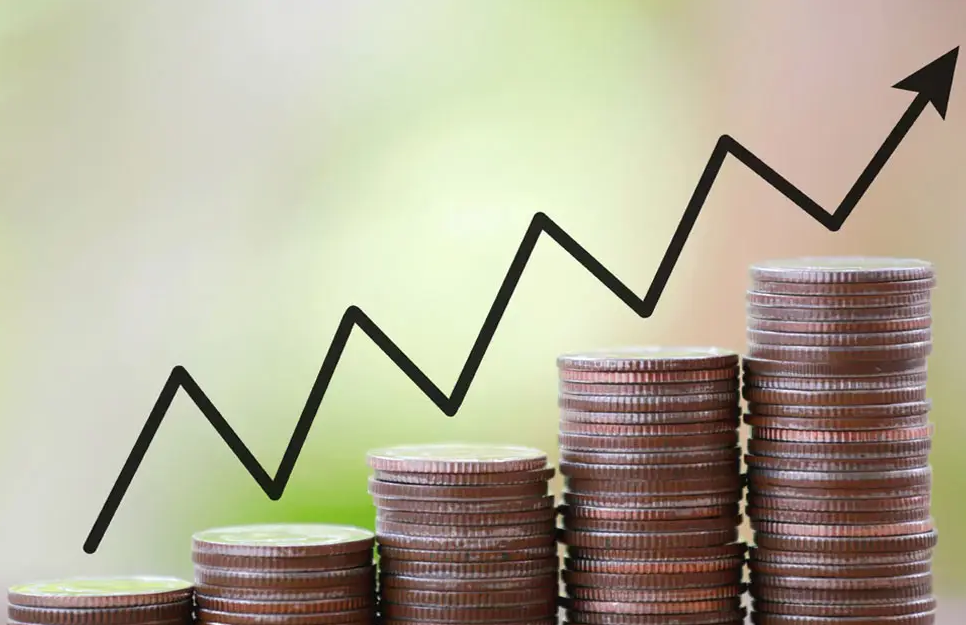
Savings and investment are also closely linked to economic development through their impact on productivity. Investments in education, technology, and infrastructure can improve efficiency and innovation, leading to higher output and income levels. As incomes rise, the capacity to save increases, creating a positive cycle that supports further investment and growth.
However, imbalances between savings and investment can create economic challenges. Excessive savings relative to investment opportunities may lead to underutilized resources and slower growth. Conversely, insufficient savings can limit the availability of funds for investment, constraining economic expansion. Maintaining a balance between the two is therefore essential for sustainable development.
Financial inclusion and access to investment opportunities also play a role in strengthening the savings-investment relationship. When more individuals and businesses can participate in the financial system, the pool of savings increases, and more capital becomes available for investment. This contributes to inclusive growth and broader economic participation.
In conclusion, savings and investment are essential components of economic development. By mobilizing financial resources and directing them toward productive activities, economies can achieve sustained growth, improved living standards, and greater resilience to economic shocks.