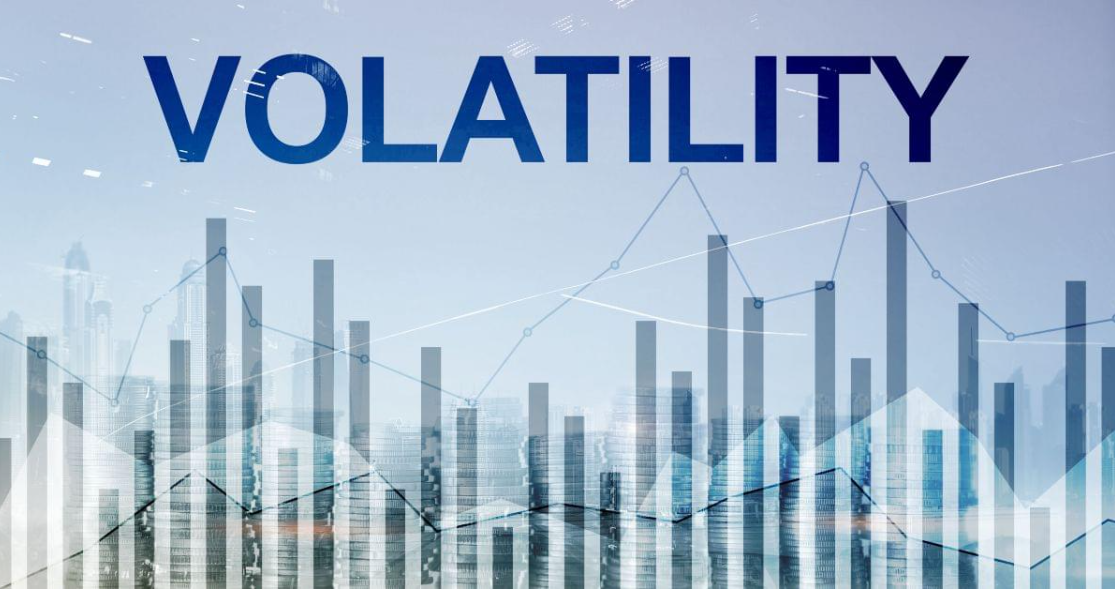
Exchange rate volatility is a major factor influencing global investment decisions, particularly in increasingly interconnected financial markets. Exchange rates determine the value of one currency relative to another, and fluctuations in these rates can affect trade, capital flows, inflation, and investment returns. For investors, understanding the implications of exchange rate movements is essential in managing risk and evaluating opportunities across domestic and international markets.
One of the most direct effects of exchange rate volatility is on foreign investment returns. Investors holding assets denominated in foreign currencies are exposed not only to the performance of the asset itself but also to changes in currency values. A depreciation of the investment currency relative to the investor’s home currency can reduce returns, even if the underlying asset performs well. Conversely, currency appreciation may enhance overall returns. This added layer of uncertainty makes exchange rate risk an important consideration in cross-border investing.
Exchange rate volatility also affects business profitability, particularly for companies involved in international trade. Export-oriented firms may benefit from a weaker domestic currency, as their goods become more competitive in foreign markets. On the other hand, companies reliant on imported raw materials or equipment may face higher costs when the domestic currency depreciates. These changes in profitability can influence stock valuations and investor sentiment within affected sectors.
Inflation is another area closely linked to exchange rate movements. Currency depreciation can increase the cost of imports, contributing to higher inflationary pressures within an economy. Rising inflation may reduce consumer purchasing power and affect corporate operating costs, potentially influencing broader market performance. In response, central banks may adjust monetary policy through interest rate changes, further affecting investment conditions.


Financial markets often experience increased uncertainty during periods of significant exchange rate fluctuations. Investors may become more cautious when currency movements are unpredictable, leading to shifts in portfolio allocation and capital flows. Emerging markets are particularly sensitive to exchange rate volatility, as large currency swings can affect debt servicing costs, especially where external debt is denominated in foreign currencies.
Exchange rate stability is therefore an important factor in attracting foreign direct investment and portfolio inflows. Investors generally prefer environments where currency risks are manageable and macroeconomic conditions are stable. Countries with credible monetary policies, adequate foreign exchange reserves, and strong external balances are often better positioned to maintain investor confidence during periods of global uncertainty.
To manage exchange rate risk, investors and businesses commonly use hedging strategies such as forward contracts, currency swaps, and diversification across multiple currencies and regions. These tools help reduce exposure to adverse currency movements and support more stable investment outcomes.
Exchange rate volatility can also create investment opportunities. Currency traders and global investors may benefit from fluctuations by identifying trends or mispricing in currency markets. In addition, sectors that gain competitiveness during currency depreciation may attract increased investor attention.
Global economic conditions, commodity prices, geopolitical developments, and interest rate differentials all contribute to exchange rate movements. As a result, investors often monitor both domestic and international macroeconomic trends when assessing currency-related risks.
In conclusion, exchange rate volatility plays a significant role in shaping investment decisions and financial market dynamics. By influencing returns, inflation, trade competitiveness, and investor confidence, currency fluctuations affect both risks and opportunities across global markets. Understanding these relationships is essential for building resilient investment strategies in an increasingly interconnected economy.