
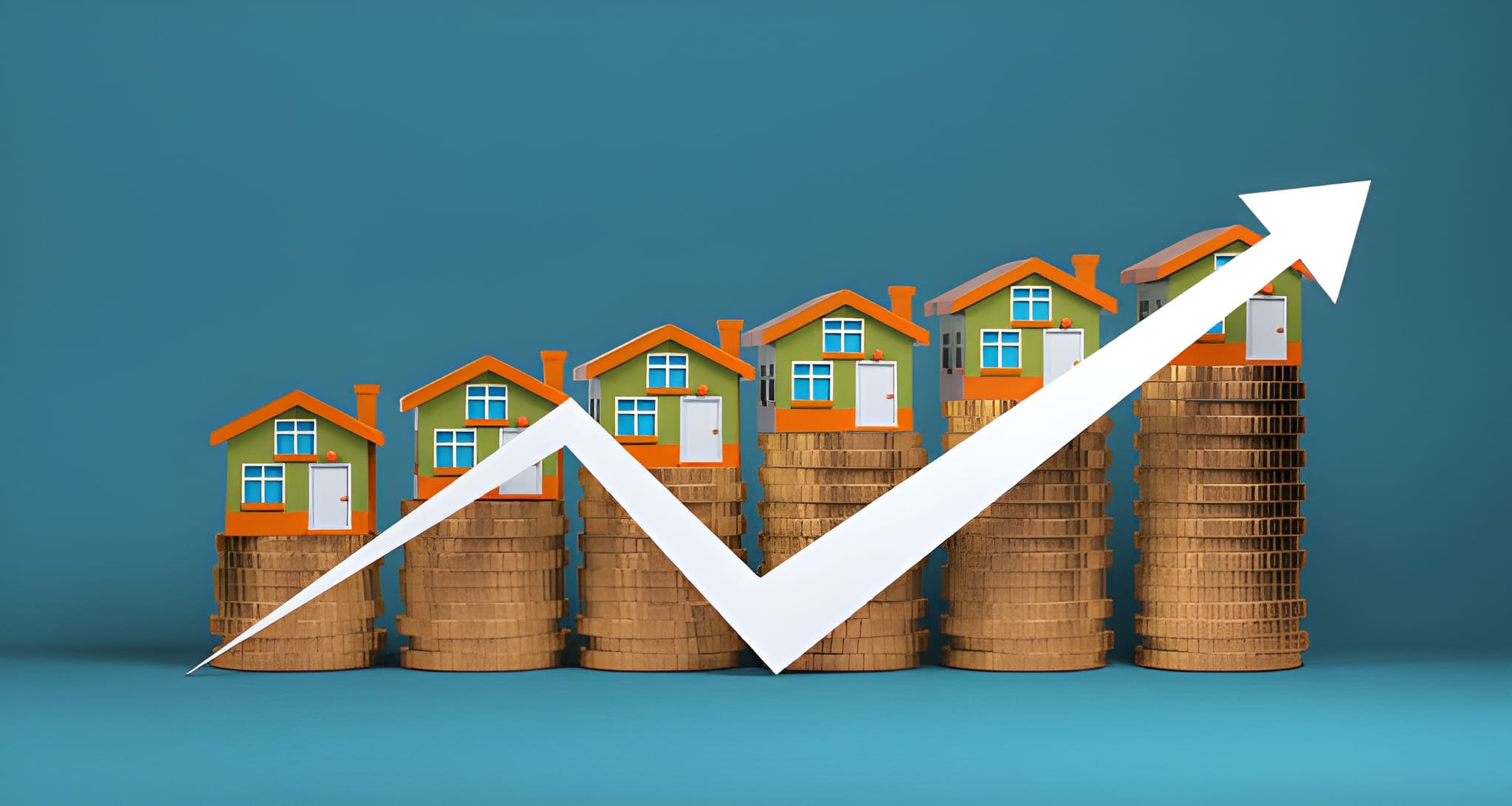
House prices in Nairobi and its surrounding suburbs are rising at their fastest pace in nearly a decade, underscoring a quiet but decisive shift in buyer preferences toward standalone homes even as land price growth begins to cool.
According to recent market data reported by Business Daily, property prices rose by 7.7 per cent in 2025, up from 5.2 per cent in 2024, marking the strongest annual growth since 2015. The rebound has been driven largely by demand for detached houses, which are increasingly seen as long-term lifestyle investments rather than speculative assets.
This renewed appetite for space comes amid easing rental prices. Asking rents fell by 2.5 per cent, offering modest relief to tenants whose disposable incomes have been under pressure for several years. The divergence between rising house prices and softer rents suggests a market being shaped more by owner-occupiers than yield-seeking investors.
Standalone homes outperform apartments

Data from the HassConsult Q4 2025 Property Index shows that detached house prices grew by 9.5 per cent, outpacing semi-detached units at 5.2 per cent and apartments at 2.5 per cent. This trend reflects a growing preference for privacy, space, and lower-density living, particularly among middle- and upper-income buyers.
Solomon Kimani, a real estate analyst at Cytonn Investment Management, notes that the surge is not speculative.
“Buyers are still willing to pay for good homes, especially standalone houses, even in a tough economic environment. This isn’t a speculative boom; it’s demand from people who actually want to live in these homes,” he says.
However, he cautions that affordability remains a challenge, as prices continue to drift out of reach for average households.
Land prices cool as caution sets in
While house prices accelerate, land markets are showing signs of moderation. In satellite towns such as Ruaka, Syokimau, and Juja, land prices grew by 6.21 per cent, down from 10.62 per cent the previous year. Prime suburbs, including Muthaiga, Langata, and Lavington, recorded a slower growth of 5.92 per cent per acre.
The slowdown reflects a more cautious investor mood after years of aggressive land accumulation, particularly following an apartment oversupply in some urban zones.
“Investors are no longer rushing into land the way they used to,” Kimani explains. “The market feels like it’s settling into a more realistic phase where fundamentals matter more than hype.”
A market driven by fundamentals, not frenzy
Despite softer rents and cooling land prices, broader economic indicators point to resilience rather than distress. Kenya’s economy expanded faster in the first nine months of 2025 compared to the previous year, supported by improving private sector activity and middle-class spending power.
The result is a housing market that is recalibrating; one where demand-led growth, not speculation, is driving prices, and where buyers are increasingly selective about location, value, and long-term liveability.
This article draws on market data and reporting by Business Daily journalist Charles Mwaniki, alongside independent analysis.