

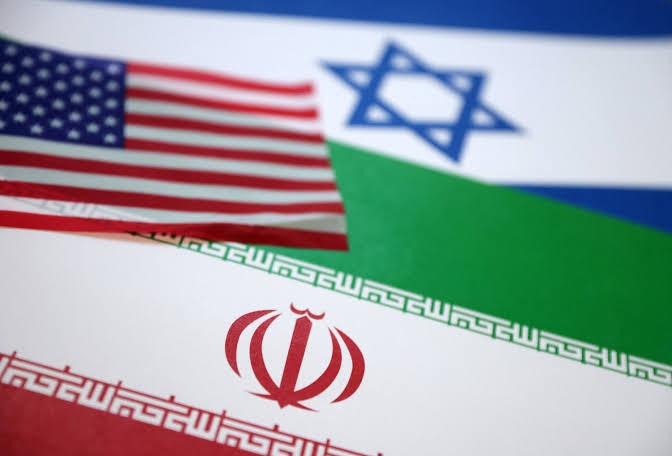
The outcome of the November 2026 US midterm elections and Israel’s October general election has introduced a new political dimension to the ongoing Iran war, with potential implications for global security, energy markets and economic stability. Although neither election guarantees an immediate end to the conflict, the resulting political changes could influence diplomatic negotiations, military decisions and the outlook for global oil prices.
In the United States, the Democratic Party secured control of both the House of Representatives and the Senate, dealing a significant setback to President Donald Trump’s administration. The outcome gives Democrats greater influence over congressional oversight, government spending and the confirmation of senior government officials, potentially increasing pressure on the administration to reconsider its military engagement with Iran. However, President Trump retains considerable authority over foreign policy and military operations, meaning that the election results do not automatically translate into an end to the conflict. Instead, the change in congressional control is likely to increase scrutiny of military spending and strengthen calls for diplomatic engagement.
In Israel, the 27 October general election resulted in a fragmented parliament, with no single party securing the 61 seats required for a majority in the 120-member Knesset. Likud, led by Benjamin Netanyahu, won 27 seats, followed by Yashar, led by Gadi Eisenkot, with 21 seats and B’Yachad, led by Naftali Bennett, with 12 seats. The Joint List secured 11 seats, The Democrats and Ra’am each won 8 seats, while Yisrael Beytenu, United Torah Judaism and Otzma Yehudit each obtained 7 seats. Shas and Religious Zionism each secured 6 seats. On 5 November, President Isaac Herzog announced that representatives of parties holding 67 seats had recommended Eisenkot to form the next government, compared to 46 seats recommending Netanyahu. However, disagreements between the parties have left the formation of a stable government uncertain.
These political developments are unfolding against a backdrop of volatility in global oil markets. The Iran war has disrupted Middle Eastern petroleum exports and threatened shipments through the Strait of Hormuz, a critical route for global oil trade. While expectations of diplomatic progress following the US elections have supported hopes of lower supply risks, continued tanker incidents and unresolved tensions remain potential upside risks to prices. Nevertheless, the market is also showing signs of returning to surplus as high prices weigh on demand and supplies recover, suggesting that geopolitical risks are not the only factor determining prices.


For Kenya, a net importer of petroleum products, sustained increases in global oil prices could raise the import bill, exert pressure on the exchange rate and increase domestic transport, electricity and production costs. This could further aggravate inflation, which rose to 7.3% in October 2026 from 6.8% in September, potentially constraining household purchasing power and business activity.
Going forward, we expect developments surrounding US-Iran negotiations, Israel’s government formation and security in the Strait of Hormuz to remain key determinants of global energy-market sentiment. For investors, the extent to which these developments translate into sustained de-escalation will be important in determining whether lower oil prices can ease inflationary pressures and support economic stability, particularly across oil-importing economies.