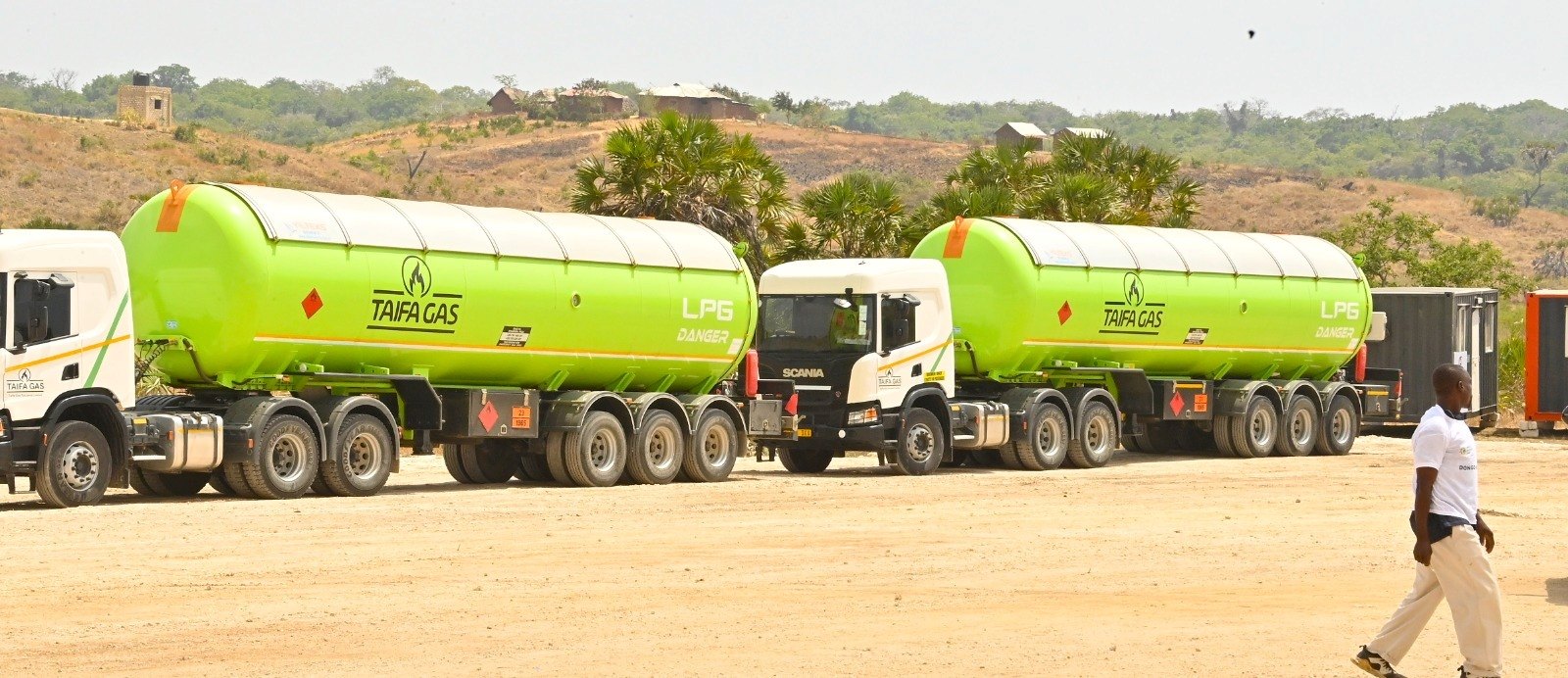
Taifa Gas is making a strategic entry into Kenya’s energy sector with plans to roll out a large liquefied petroleum gas (LPG) facility in Mombasa. The investment signals the company’s ambition to expand beyond Tanzania and establish a stronger presence in East Africa’s fast-growing gas market.
The upcoming plant is expected to significantly increase LPG storage and distribution capacity in Kenya. As demand for cleaner cooking energy continues to rise, the new facility could help bridge supply gaps that have occasionally led to price fluctuations. For many households and small businesses, this expansion may translate into more reliable access to cooking gas.
Kenya has been actively promoting LPG as an alternative to charcoal and kerosene in a bid to reduce deforestation and improve public health. Taifa Gas’ entry comes at a time when the government and private sector are both pushing for wider adoption of clean energy solutions. By increasing availability, the company could support these national goals while also strengthening its regional footprint.
The move is also likely to reshape competition within the LPG market. Established players currently dominate supply chains, but the addition of a large-scale operator such as Taifa Gas introduces new dynamics. Increased competition often encourages better pricing, improved distribution networks, and enhanced customer service factors that ultimately benefit consumers.


Beyond Kenya, the investment reflects a broader trend of regional expansion among East African companies. Cross-border business activity between Kenya and Tanzania has been steadily growing, driven by improved diplomatic relations and trade agreements. Taifa Gas’ expansion fits into this pattern, highlighting how energy companies are positioning themselves to serve multiple markets rather than operating within a single country.
Another key advantage of this development is the potential for supply stability. With operations spanning across countries, Taifa Gas can create a more flexible distribution network. This allows the company to respond more effectively to demand changes or supply disruptions in one market by leveraging resources from another.
While the full impact of the Mombasa facility will depend on pricing strategies and operational efficiency, early indications suggest that the project could play a meaningful role in shaping Kenya’s LPG landscape. For consumers, the most immediate benefit may be improved access and more competitive prices. For the industry, it represents a step toward a more integrated and resilient regional energy market.
Overall, Taifa Gas’ expansion into Kenya underscores the growing importance of LPG in East Africa’s energy transition. As the region continues to prioritize cleaner and more affordable fuel options, investments like this are likely to define the next phase of growth in the sector.