Sharp Daily
No Result
View All Result
Tuesday, May 19, 2026
  • Home
  • News
    • Politics
  • Business
    • Banking
  • Investments
  • Technology
  • Startups
  • Real Estate
  • Features
  • Appointments
  • About Us
    • Meet The Team
Sharp Daily
  • Home
  • News
    • Politics
  • Business
    • Banking
  • Investments
  • Technology
  • Startups
  • Real Estate
  • Features
  • Appointments
  • About Us
    • Meet The Team
No Result
View All Result
Sharp Daily
No Result
View All Result
Home Analysis

Kenya private sector contracts as costs and demand weaken

serena wayua by serena wayua
April 9, 2026
in Analysis, Economy, Features, News
Reading Time: 2 mins read

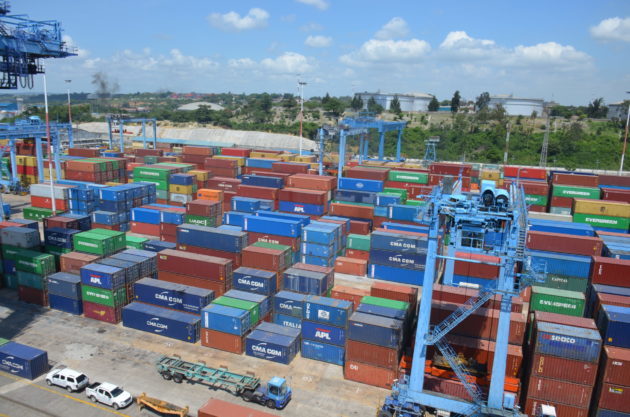
Kenya’s private sector recorded its first contraction in several months, signaling growing strain within the country’s business environment. According to recent data from S&P Global, the Purchasing Managers’ Index (PMI) dropped below the neutral 50 mark in March 2026, indicating a decline in overall business activity. The downturn reflects a combination of rising operational costs and weakening consumer demand. Businesses across various sectors reported reduced sales volumes, as households continue to cut back on spending due to the high cost of living. Increased fuel prices have played a significant role, pushing up transportation and production costs, which are often passed on to consumers.

As a result, many firms are experiencing tighter profit margins. Some have responded by scaling back operations, delaying expansion plans, or reducing hiring. This trend raises concerns about job creation, particularly in a country where the private sector plays a crucial role in employment. The slowdown is also linked to broader economic challenges, including limited access to affordable credit and cash flow constraints. Despite efforts by policymakers to support growth, many businesses—especially small and medium-sized enterprises—continue to face financial pressures that hinder their performance.

In addition to domestic factors, global economic conditions are contributing to the decline. External shocks, such as fluctuating commodity prices and geopolitical tensions, are increasing uncertainty and affecting trade. Export-oriented businesses, in particular, are feeling the impact as demand from international markets becomes less predictable. Despite the contraction, there are signs of resilience within the private sector. Some firms are adapting by adopting cost-saving measures, diversifying their products, and exploring new markets. Digital transformation and innovation are also emerging as key strategies for navigating the challenging environment.

Economists suggest that the slowdown may be temporary, provided that inflation stabilizes and consumer confidence improves. Government interventions, such as targeted support for businesses and measures to ease the cost of doing business, could also help stimulate recovery. For now, however, the data paints a cautious picture. The contraction serves as a reminder of the delicate balance between growth and stability in Kenya’s economy. As businesses adjust to the evolving landscape, their ability to adapt will determine the pace and strength of the recovery in the months ahead.

RELATEDPOSTS

Kenya’s inflation surges to two year high amid fuel crisis and global turmoil

April 30, 2026

Rising oil prices put pressure on Kenya’s economy

March 17, 2026
Previous Post

The role of fiscal policy in shaping investment climate

Next Post

Kenya central bank pauses rate cuts amid inflation concerns

serena wayua

serena wayua

Related Posts

News

The impact of exchange rate volatility on investment decisions

May 19, 2026
Entertainment

The Spotify “Disco Ball” Branding Stunt

May 18, 2026
News

The influence of commodity prices on investment markets

May 18, 2026
News

Safaricom’s fuel strategy highlights growing energy risks facing Africa’s digital economy

May 15, 2026
News

Why fuel prices in Africa stay high when oil prices fall — and who Mercy Corps is holding responsible

May 15, 2026
News

Hantavirus on a luxury cruise ship: what we know, what we don’t, and why the WHO says stay calm

May 15, 2026

LATEST STORIES

The impact of exchange rate volatility on investment decisions

May 19, 2026

Equity Group Holdings move to extend its footprint across Southern Africa

May 19, 2026

The Spotify “Disco Ball” Branding Stunt

May 18, 2026

Court to decide on Kenya’s Sh204 billion Safaricom stake sale

May 18, 2026

The influence of commodity prices on investment markets

May 18, 2026

Safaricom’s fuel strategy highlights growing energy risks facing Africa’s digital economy

May 15, 2026

Member Engagement and Financial Literacy in Retirement Planning

May 15, 2026

Why fuel prices in Africa stay high when oil prices fall — and who Mercy Corps is holding responsible

May 15, 2026
  • About Us
  • Meet The Team
  • Careers
  • Privacy Policy
  • Terms and Conditions
Email us: editor@thesharpdaily.com

Sharp Daily © 2024

No Result
View All Result
  • Home
  • News
    • Politics
  • Business
    • Banking
  • Investments
  • Technology
  • Startups
  • Real Estate
  • Features
  • Appointments
  • About Us
    • Meet The Team

Sharp Daily © 2024