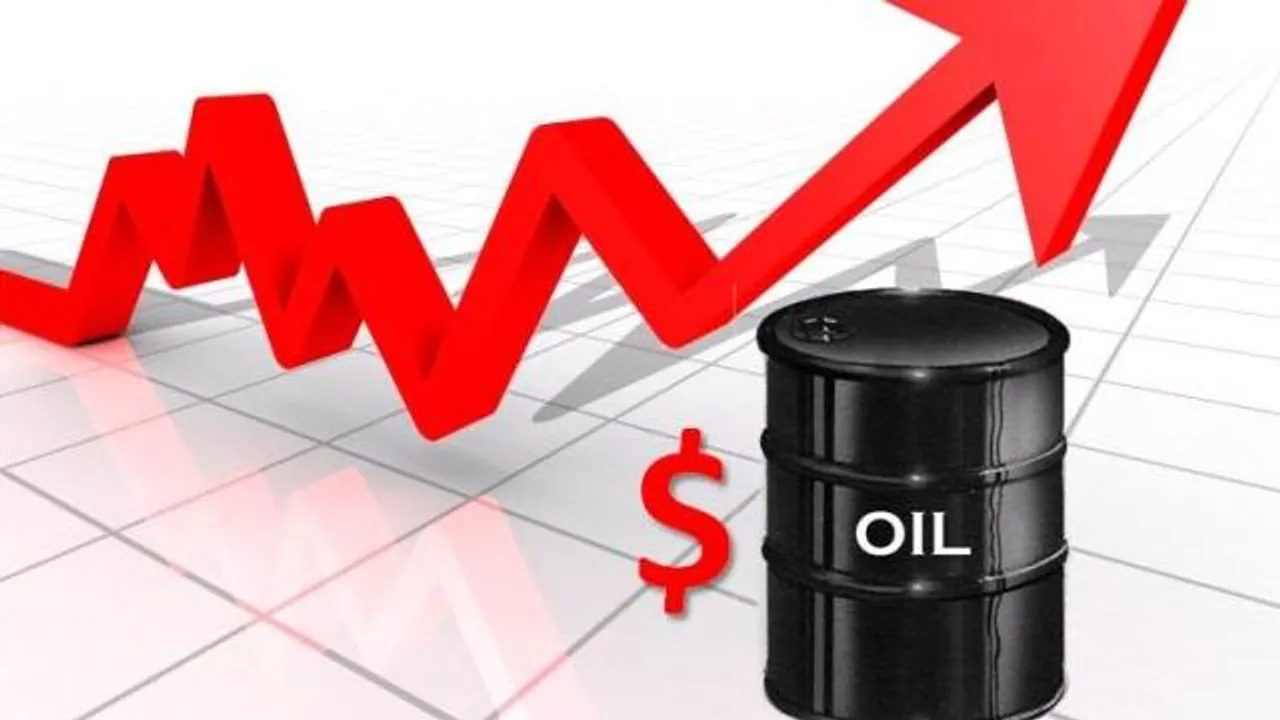
Rising global oil prices are increasingly putting pressure on Kenya’s economy, underscoring the country’s vulnerability to external shocks. As a net importer of petroleum products, Kenya is highly exposed to fluctuations in global energy markets, and recent price surges are already having widespread effects across multiple sectors of the economy.The increase in oil prices has been driven largely by geopolitical tensions, which have disrupted supply chains and heightened uncertainty in global markets. Ongoing conflicts and production constraints in key oil-producing regions have reduced supply, pushing global prices higher. For Kenya, this translates directly into higher fuel import costs. These increased costs ripple through the economy, affecting transportation, manufacturing, agriculture, and ultimately the overall cost of goods and services.
One of the most immediate impacts is on inflation. As fuel prices rise, businesses pass on the increased operational costs to consumers, leading to a higher cost of living. Essential goods, including food and household items, become more expensive due to higher transportation and distribution costs. This reduces purchasing power for households and can slow down economic activity, particularly in sectors that rely heavily on consumer spending.The pressure extends to the exchange rate as well. Higher oil import bills increase demand for foreign currency, especially the US dollar, which puts the Kenyan shilling under strain. A weakening shilling makes imports more expensive, further contributing to inflation and creating a cycle that becomes increasingly difficult to manage. This situation places additional pressure on businesses that rely on imported inputs.
Policymakers, including the Central Bank of Kenya, are faced with difficult decisions. To control inflation and stabilize the currency, they may need to maintain or even raise interest rates. While such measures can help contain price increases, they also make borrowing more expensive. Higher interest rates can limit access to credit for businesses and individuals, potentially slowing investment and overall economic growth.Despite these challenges, there are opportunities for adaptation. The current situation highlights the importance of investing in alternative energy sources such as geothermal, wind, and solar power. Kenya has already made notable progress in renewable energy, and further investment could reduce dependence on imported fuel over time. Improving energy efficiency across industries could also help cushion the economy from similar shocks in the future.
In the near term, however, uncertainty remains high. The trajectory of oil prices will largely depend on global developments, and any prolonged increase could intensify the economic strain on Kenya.Overall, rising oil prices present a complex challenge that requires careful management, strategic policy responses, and long-term reforms to enhance economic resilience and sustainability.