

Investors continued to demonstrate strong appetite for government securities, submitting bids worth KSh69.26 billion in the latest Treasury bill auction held on November 12, 2026, against an advertised amount of KSh28.0 billion. This represented an overall performance rate of 247.35%, indicating that demand was approximately 2.5 times the amount initially offered by the Central Bank of Kenya (CBK).The CBK accepted KSh56.70 billion in bids, exceeding its initial target and reflecting the strong demand for government securities. The 91-day Treasury bill attracted the highest interest, receiving bids worth KSh31.69 billion against an offer of KSh8.0 billion. The CBK accepted KSh30.01 billion, translating to a performance rate of 396.12%.
The 182-day Treasury bill attracted bids worth KSh22.33 billion against an offer of KSh10.0 billion, with KSh20.12 billion accepted. Meanwhile, the 364-day Treasury bill received bids worth KSh15.24 billion against an offer of KSh10.0 billion, although the CBK accepted KSh6.57 billion. Despite the strong demand, interest rates declined across all three maturities compared to the previous auction. The average accepted rates for the 91-day, 182-day and 364-day Treasury bills stood at 8.7448%, 8.8372% and 9.0098%, respectively, compared to 8.7500%, 8.8450% and 9.0282% in the preceding auction.
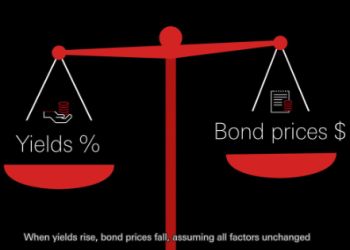
The declining yields indicate that investors were willing to accept slightly lower returns on their investments. This could reflect expectations of relatively stable or declining interest rates, alongside continued demand for government securities as investors seek predictable returns over defined investment periods.Treasury bills are short-term government securities issued at a discount and redeemed at face value upon maturity. They provide the government with a source of domestic borrowing while offering investors an opportunity to earn returns over periods of 91, 182 or 364 days.
Strong demand for these securities can also influence their yields. When investors compete to purchase Treasury bills, they may submit bids at lower interest rates, reducing the returns the government needs to offer to attract financing.Of the KSh56.70 billion accepted, approximately KSh43.38 billion was required to cover maturing Treasury bills, leaving about KSh13.33 billion in net new borrowing.The latest auction highlights continued investor appetite for government securities despite declining returns. For investors, choosing between the three maturities requires consideration of their liquidity needs, investment horizon and expectations of future interest rates. Ultimately, while Treasury bills offer predictable investment periods, comparing yields across maturities remains important when making investment decisions.