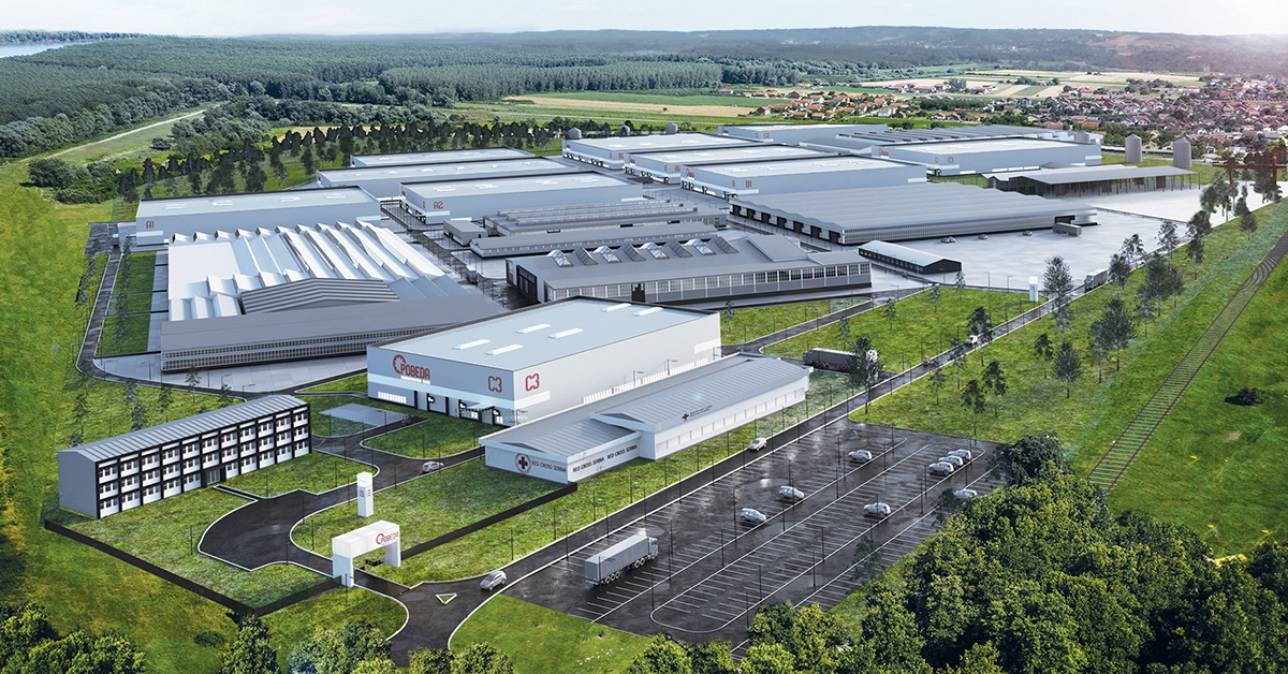
Kenya’s investment landscape is evolving, with traditional sectors like agriculture and real estate often taking the spotlight. Sustainable industrial parks are however underexplored despite their promising nature. These parks offer a unique opportunity to drive economic growth while adhering to environmental sustainability principles.
Sustainable industrial parks are designed to promote eco-friendly industrialization. They incorporategreen technologies, efficient resource utilization and waste reduction strategies to minimize environmental impact. This approach not only aligns with global sustainability goals but also enhances the competitiveness of businesses operating within these parks.
Kenya’s Vision 2030 aims to transform the country into a rapidly industrializing, middle-income and globally competitive nation. Manufacturing is a key pillar for economic development. Despite this, the manufacturing sector accounted for only 7.6% of Kenya’s GDP in 2023, indicating significant room for growth. Sustainable industrial parks can play a crucial role in achieving these ambitious goals by providing the necessary infrastructure and support for manufacturing activities.
Projects like Tatu City, a private start-up city on Nairobi’s outskirts, demonstrate the potential of planned industrial zones. Covering 5,000 acres, Tatu City aims to house 250,000 residents and currently hosts 88 businesses employing 15,000 individuals. Its success stresses the viability of such developments in Kenya. However, there remains a gap in fully integrating sustainability into industrial park development. Investors can capitalize on this by establishing parks that not only provide modern infrastructure but also incorporate renewable energy sources, waste recycling facilities and green building standards.


Businesses are increasingly prioritizing sustainability. Operating within an eco-friendly industrial park can enhance a company’s brand and attract environmentally conscious clients. As Kenya strengthens its environmental regulations, sustainable industrial parks will be better positioned to comply with future policies, reducing potential legal and financial risks. The Kenyan government offers various incentives to promote industrialization, including tax breaks and infrastructure support. Investors focusing on sustainable projects may access additional benefits, especially since global financial institutions increasingly fund green initiatives.
Investors should be mindful of challenges such as the initial capital outlay for green technologies and the need for continuous stakeholder engagement. Collaborating with government agencies, local communities and environmental organizations can mitigate these challenges and ensure the long-term success of the project.
The development of sustainable industrial parks in Kenya presents a unique investment opportunity that aligns economic objectives with environmental responsibility. By venturing in this underexplored sector, investors can contribute to Kenya’s industrial growth while setting new standards for sustainability in the region.