East Africa is emerging as one of Africa’s most economically integrated regions, and cross-border trade lies at the heart of this transformation. The movement of goods, services, and people between Kenya, Uganda, Tanzania, Rwanda, Burundi, South Sudan, and the DRC has strengthened regional value chains, expanded markets, and boosted economic resilience. As governments invest in transport networks, digitise customs processes, and harmonise trade policies, cross-border commerce is becoming faster, cheaper, and more efficient.
One of the biggest contributors to this progress is the establishment of One-Stop Border Posts (OSBPs). These facilities combine the customs and immigration processes of two countries into a single checkpoint, dramatically reducing clearance times. The Busia and Malaba OSBPs between Kenya and Uganda are prime examples, cutting cargo clearance from several days to just hours. This efficiency has lowered transport costs and made the Northern Corridor a more competitive trade route.
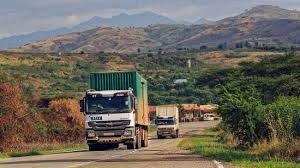
Infrastructure improvements are also supporting cross-border trade. The Standard Gauge Railway (SGR) from Mombasa to Naivasha has enhanced cargo movement, while road upgrades along the Northern and Central Corridors have reduced transit times and improved access to inland markets. Rwanda and Uganda benefit significantly from these networks, using Kenyan ports as gateways for imports and exports.


East Africa’s integration is also being driven by policy harmonisation under regional blocs such as the East African Community (EAC) and the African Continental Free Trade Area (AfCFTA). These frameworks aim to eliminate non-tariff barriers, standardise quality certifications, and open markets for regional producers. Kenyan manufacturers, for example, can sell cement, processed foods, steel products, and household goods across borders with minimal regulatory friction.
Trade digitalization has further boosted efficiency. Systems such as the Regional Electronic Cargo Tracking System (RECTS) allow authorities to monitor cargo from port to destination, reducing corruption and cargo diversion. Mobile money interoperability across Kenya, Uganda, and Rwanda has also simplified business transactions for traders operating on both sides of the border.
Yet challenges remain. Border congestion, occasional political tensions, and differing product standards still hinder trade in some areas. Informal cross-border traders, many of whom are women, face harassment and inconsistent taxation practices. Addressing these issues will be key to building a truly integrated regional market.
Cross-border trade is more than the movement of goods, it is the engine driving East Africa’s economic integration. With improved infrastructure, digital customs systems, and harmonized trade policies, the region is steadily evolving into a unified economic bloc. As barriers continue to fall, East Africa is poised to unlock new opportunities for investment, innovation, and shared prosperity.