
Infrastructure is the backbone of any thriving economy, and Kenya’s development journey over the past two decades offers a powerful illustration of how roads, railways, energy networks, and digital systems can
reshape national productivity. By comparing Kenya’s economy before and after key infrastructure
investments, we can see clear shifts in efficiency, connectivity, and economic opportunities. For many years, Kenya’s economic potential was constrained by high transport costs, limited electricity access, and slow logistics systems. Before major upgrades began around 2010–2013, only about a third of households had electricity, rural roads were often impassable, and port delays in Mombasa stretched into days. These gaps raised the cost of doing business, discouraged investors, and limited market access for farmers and small enterprises. Kenya’s investment in large-scale infrastructure, however, has had a transformative impact. The expansion of road networks, such as the Thika Superhighway and the Nairobi expressways and bypasses, has reduced travel time and opened up new economic corridors. Improved road networks have enabled farmers to reach urban markets faster, reduced vehicle operating costs, and unlocked previously inaccessible areas for real estate and commercial investment. The Standard Gauge Railway (SGR) introduced a faster, more reliable transport option between Mombasa and Nairobi. Passenger travel time shrank significantly, and freight transport became more predictable. While debates continue about cost efficiency, its role in easing transportation bottlenecks is undeniable. Combined with ongoing improvements at the Port of Mombasa, Kenya’s logistics chain has become more competitive regionally, supporting trade flows to Uganda, Rwanda, and South Sudan. Energy infrastructure has also been a catalyst for economic growth. National electrification has risen sharply, supported by geothermal, wind, and solar investments. Today, the majority of households have access to electricity, enabling longer business hours, growth in manufacturing, and digital transformation across urban and rural areas. Reliable power has attracted investors into special economic zones and strengthened Kenya’s position as an emerging industrial hub. Digital infrastructure, including mobile networks and broadband connectivity, has contributed significantly to GDP growth
Mobile money, e-commerce, and online services have created new industries, connected businesses to customers, and increased financial inclusion. This digital foundation has positioned Kenya as a regional technology leader.
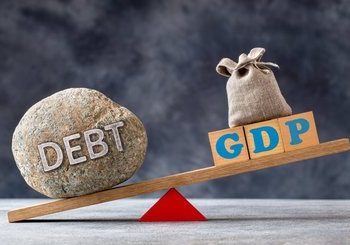
While infrastructure has boosted economic performance, challenges remain. Debt sustainability,
maintenance backlogs, and unequal access across counties can limit gains. Still, the overall picture is clear:
Kenya’s infrastructure investments have expanded economic capacity, enhanced productivity, and set the
stage for long-term growth.