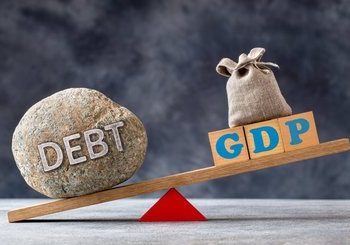

Kenya’s debt picture has changed sharply in recent years. As of mid-2025 the country’s total public debt has been reported in the range of KES 11.5 tn and the GDP increasing by 5.0% in the second quarter of 2025. This growth has been driven by major infrastructure projects and several large Eurobond operations. What this means in practice is that Kenya remains solvent but vulnerable: multilateral assessments describe Kenya’s debts as still sustainable but at a high risk of debt distress, with debt service costs consuming a growing share of revenues and limiting fiscal space for health, education and social spending. The IMF and World Bank stress this fragility and recommend fiscal consolidation and better debt composition. Advantages of Kenya’s borrowing include financial large-scale infrastructure- railways, roads, ports and energy- that can raise long-term productive capacity, create jobs and attract private investment when projects are bankable and well managed. Borrowing has also allowed short-term smoothing of cash-flow gaps, and occasional use of international markets has boosted foreign exchange buffers after turbulent periods. However, the disadvantages are: high interest costs, especially on commercial Eurobonds, currency risk on dollar-denominated loans, and a raising share of expensive domestic debt that increases rollover and interest burdens and constrains fiscal flexibility.
On the economy, the borrowing pattern has had mixed effects. Investment in transport and energy has
improved connectivity and capacity, supporting longer-term productivity. But the immediate fiscal cost is
high, debt service and looming maturities create large outflows that compress the budget and raise
borrowing costs for firms, contributing to slower private sector credit growth and tighter financial conditions. When the shilling weakens, external repayments become pricier, further straining reserves and the budget.
These dynamics have already prompted downward revisions to growth forecasts and warnings from
international lenders.
The government has set targets to bring the debt ratio down-a reported aim of about 52.8% of GDP by
2027/28- and is pursuing a mix of fiscal consolidation, revenue measures and selective refinancing (including
Eurobond transactions) to manage maturities and bolster reserves. Success will depend on stronger revenue mobilization, prioritizing high-return projects, improving public investment management, and shifting moderately away from expensive commercial and short-term domestic borrowing.
Monitoring by multilateral partners, transparent reporting and targeted technical assistance can help Kenya avoid costly mistakes and maintain access.