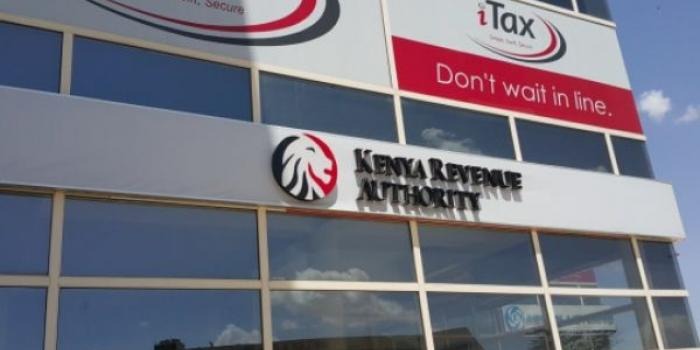
The Kenya Revenue Authority (KRA) has suffered a setback in a tax dispute with Consolidated Bank of Kenya after the Tax Appeals Tribunal ruled that the lender was entitled to deduct Sh264.9 million in bad debts from its taxable income.
The tribunal found that loans written off after borrowers failed to repay them constituted a normal cost of doing business for a bank and should be treated as stock-in-trade rather than capital expenditure.
The dispute arose from a KRA compliance audit covering Consolidated Bank’s tax affairs between 2019 and 2023. The audit initially resulted in tax assessments amounting to Sh3.67 billion across several tax categories, including corporate income tax, withholding tax, VAT, PAYE and excise duty.
One of the issues under review was the bank’s claim for a Sh264.9 million bad debt deduction relating to the 2019 financial year.


KRA rejected the deduction, arguing that the amounts represented the principal advanced to borrowers and were therefore capital in nature. According to the tax authority, only interest generated from lending constituted taxable income, meaning the principal could not be treated as a deductible expense when written off.
Consolidated Bank challenged the decision, maintaining that lending is its core business and that loans that ultimately become unrecoverable represent genuine trading losses incurred in generating taxable income.
The bank presented extensive documentation to demonstrate that it had made reasonable attempts to recover the outstanding loans before writing them off. The evidence included bank statements, customer analyses, letters of offer, auctioneers’ correspondence, auction notices, memoranda of sale, credit reports and court decisions.
The lender also argued that customer deposits used to finance its loans remained liabilities that the bank was required to repay, regardless of whether borrowers settled their obligations. This, it said, reinforced the argument that unrecovered loans were trading losses rather than losses on capital investments.
The tribunal agreed with the bank’s interpretation.
It found that the main issue was whether the principal amount of loans that had become bad should be classified as capital or revenue expenditure. After reviewing the Income Tax Act and previous tribunal decisions, the panel concluded that KRA had wrongly disallowed the deduction.
The ruling effectively means that the corresponding reduction of Consolidated Bank’s 2019 tax losses could not stand.
The decision could have wider implications for the banking sector, particularly where lenders seek tax deductions for loans that become irrecoverable after documented recovery efforts. It also highlights the importance of distinguishing between capital expenditure and the ordinary costs incurred in conducting a lending business.
For Consolidated Bank, the ruling provides relief from the disputed tax treatment and reinforces its position that credit losses are an inherent part of banking operations