Kenya Capital Markets Recovery: Pension Gains and Equity Rallies
The Kenya capital markets recovery is gaining strong momentum as monetary policy moderates yields on risk-free government paper across East Africa. The Central Bank of Kenya maintained the Central Bank Rate at 8.75% during recent meetings. Meanwhile, the benchmark 91-day Treasury bill yield settled at 8.8% by August 2026. Driven by single-digit inflation at 6.5% in July 2026 and exchange rate stability around Ksh 129.4 per USD, institutional capital is pivoting toward risk assets. The retirement benefits sector is a primary beneficiary of this macroeconomic turn. Expanding portfolios are delivering substantial capital gains. For pension trustees and corporate treasurers, the expansion of the Nairobi Securities Exchange reflects a structural restoration of confidence.
Pension Assets Drive Kenya Capital Markets Recovery
At the institutional level, retirement schemes recorded rapid balance sheet expansion over the past year. Official data published by the Retirement Benefits Authority in March 2026 revealed that industry Assets Under Management surged by 24.6% during 2025. Total assets climbed from Ksh 2,255.0 billion to Ksh 2,809.0 billion.
A key growth driver was the ongoing rollout of the NSSF Act 2013. This legislation transitioned contributions from the legacy Ksh 200 flat rate to a two-tier system. The structure requires a mandatory 6% employee contribution matched by a 6% employer contribution across Tier I and Tier II bands. As a result, this mechanism injected over Ksh 554.0 billion in fresh domestic assets into the market. Furthermore, interest rates on commercial fixed deposits declined by 11.7% in late 2025. Therefore, fund managers actively reallocated capital into quoted equities. Pension equity holdings rose by 54.6% to hit Ksh 312.8 billion, providing vital stability during this market milestone.
Equity Rallies Fuel Capital Markets Recovery in Kenya
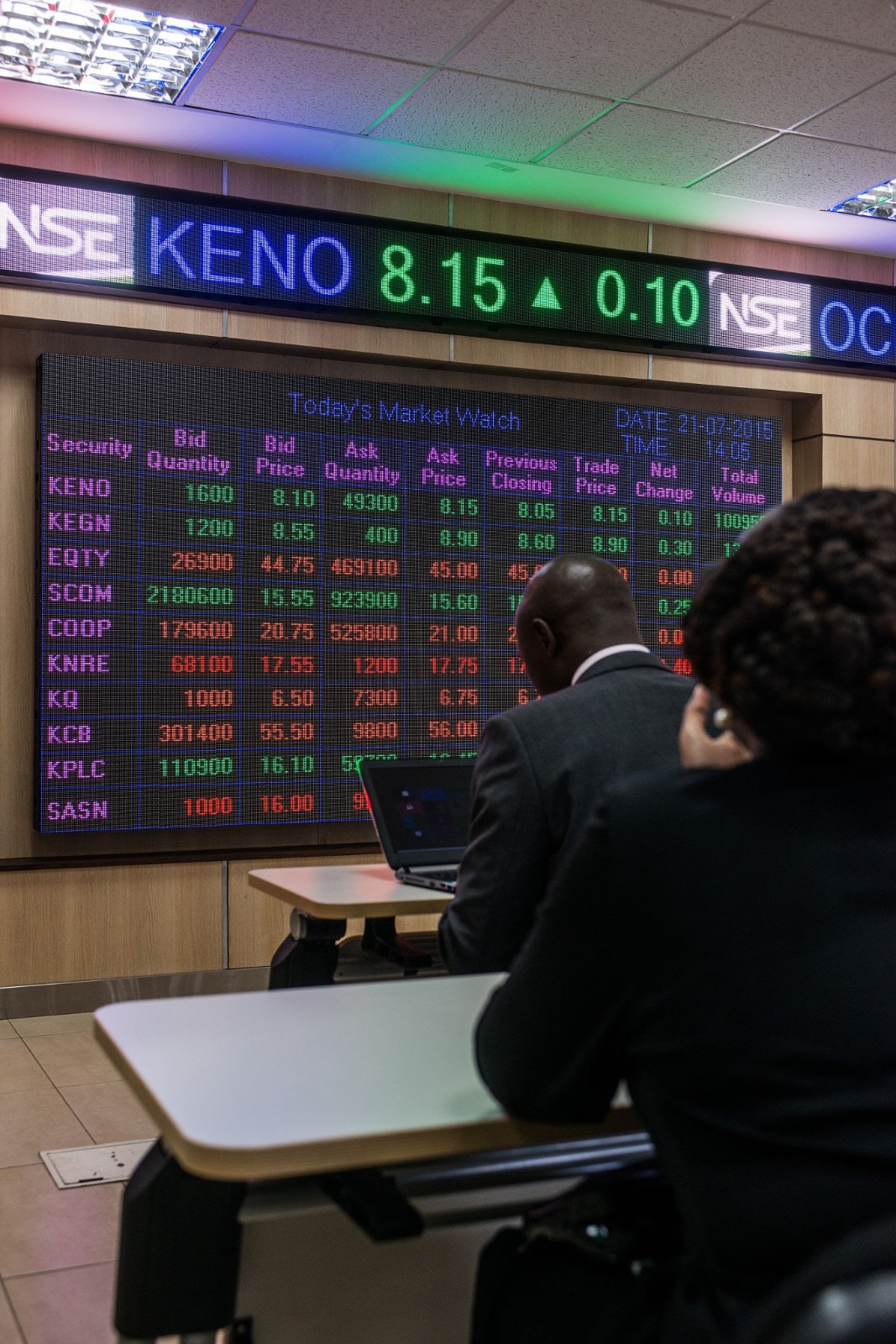
The secondary market equity performance reflects this strong institutional inflow across blue-chip counters. On July 10, 2026, total market capitalization on the Nairobi Securities Exchange crossed the historic Ksh 4,013.0 billion mark for the first time. The exchange added Ksh 20.9 billion in a single trading session. Equities emerged as Kenya’s top-performing mainstream asset class, delivering a 27.8% return through the first half of 2026.


Market heavyweights drove this rapid expansion. Safaricom Plc added more than Ksh 330.0 billion to its valuation alongside dividend announcements. Additionally, new equity listings like Kenya Pipeline Company and Family Bank Plc contributed a combined Ksh 222.6 billion to total market capitalization. Family Bank listed on June 23, 2026, at a valuation of Ksh 43.2 billion. These developments demonstrate how public markets are regaining momentum during the ongoing capital markets recovery in Kenya.
Long-Term Outlook for the Financial Sector Recovery
Ultimately, the revival across the exchange marks a long-term transition toward deep, local equity and debt formation. Domestic pension assets now represent approximately 16.1% of national GDP according to RBA industry reports. Because of this growth, institutional retirement schemes possess the financial scale required to anchor national investment programs.
As global central banks ease interest rates, domestic monetary policy remains predictable. Corporate issuers and fund managers who align their balance sheets with public equities, Real Estate Investment Trusts, and corporate debt will be well-positioned. Ultimately, these strategic moves allow investors to capture superior risk-adjusted returns during this period of financial sector expansion.