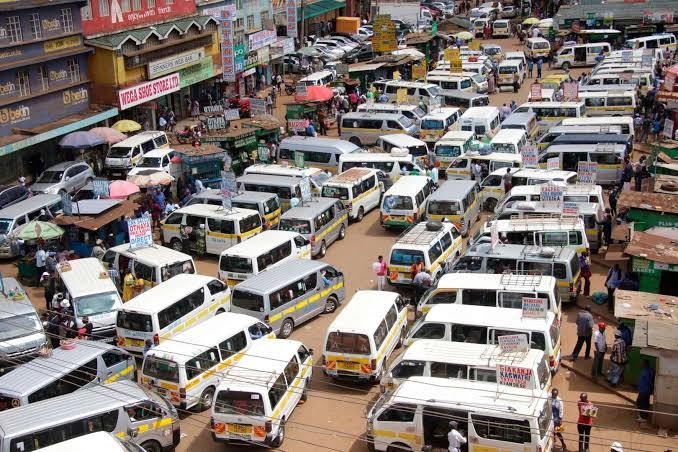
Fare increases during rain and peak hours are routinely described as exploitation. The description conflates two things: a price that responds to scarcity, and a fare set by those with the power to set it. The first is efficient. The second is the policy problem.
Consider the surge itself. When rainfall raises demand for seats and congestion reduces the trips each vehicle can complete, scarcity exists whatever the posted fare. A fixed fare does not remove it. It converts a monetary price into a non-monetary one, paid in queuing time and allocated by physical competition rather than willingness to pay. A higher fare rations the available seats and draws capacity onto the route when it is most needed.
The test of whether a fare is a price or a toll is its behaviour on the downside. In a contestable market, additional supply erodes a surge premium once conditions normalise. The KNBS data point the other way. In June 2026, diesel fell 6.3 per cent month on month, yet the Bungoma–Kabula fare rose from KSh 70 to KSh 100, or 42.9 per cent. In August 2026, diesel fell a further 2.2 per cent while inter-town bus and matatu fares rose 2.1 per cent, and transport inflation reached 15.7 per cent year on year. Fuel is not the only input, but fares that rise as a principal cost falls are not behaving as competitive prices would.
The regulatory structure offers a likely mechanism. The NTSA (Operation of Public Service Vehicles) Regulations, 2014 require operators to belong to a body corporate running at least thirty serviceable vehicles. They also bar the transfer of a vehicle between SACCOs without the Authority’s approval. These provisions serve legitimate safety and accountability aims. Their economic effect, however, is to raise barriers to entry and exit and to concentrate pricing power in route-level bodies, within which individual discounting is difficult to sustain.


Price caps would address the signal rather than the cause. They would reduce peak supply, lengthen queues and invite side-payments. Competition policy is the better instrument. It would begin with a review of whether SACCO fare-setting and enforcement arrangements comply with the Competition Act, 2010, followed by an easing of the fleet-size and transfer-approval requirements where safety is not at stake, and the publication of route fares so that commuters and prospective entrants can compare them.
Prices should move with scarcity, and the entry that disciplines them should be possible. (Start your investment journey today with the cytonn MMF, call+2540709101200 or email sales@cytonn.com)