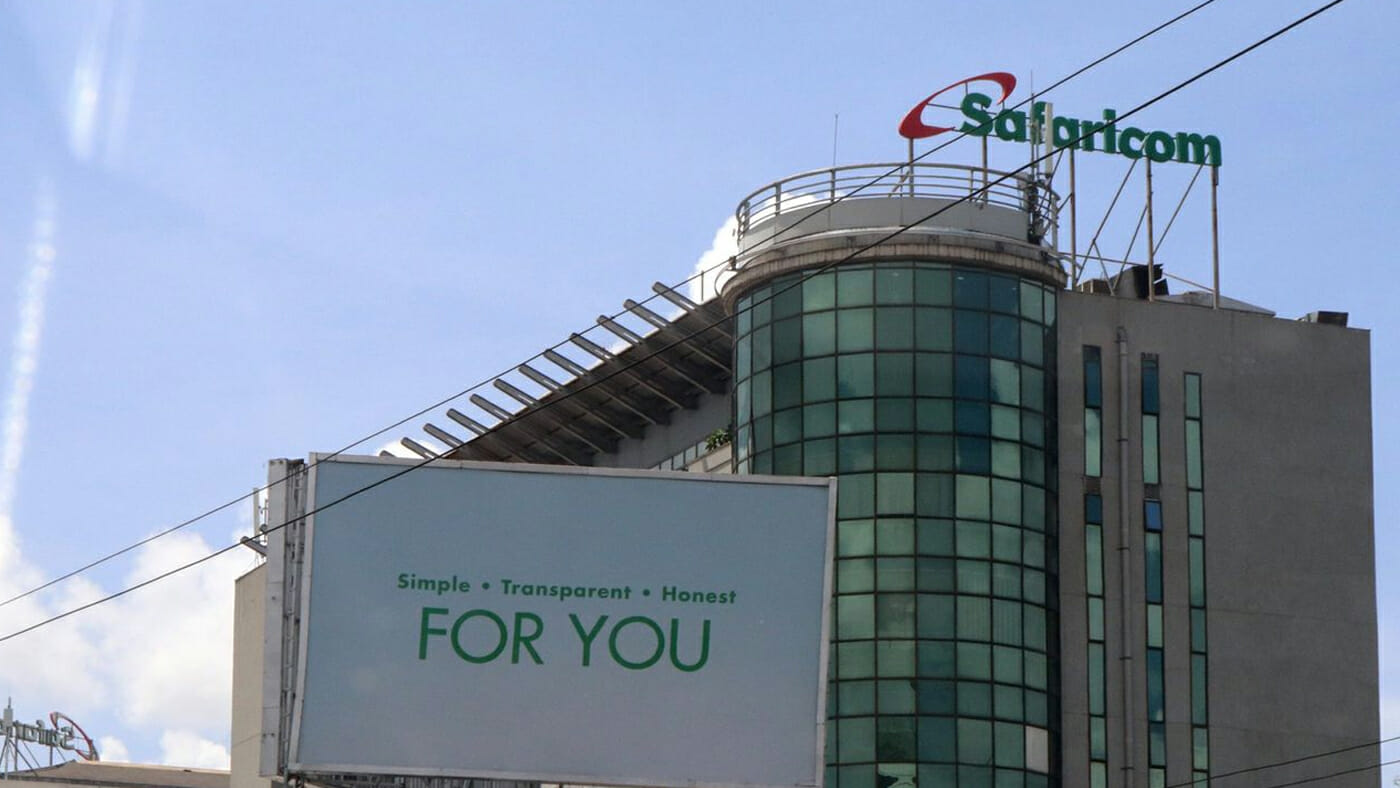
Kenya’s leading telecommunications company, Safaricom, has entered the ring in what is shaping up to be a landmark legal battle, asking the High Court not to stop the government from offloading a significant stake in the firm to South Africa’s Vodacom Group.
Through its legal team, the company told the court that the proposed transaction is not only lawful but has already cleared multiple regulatory and legislative hurdles, making it unnecessary and damaging to freeze the process at this point. Safaricom’s lawyer Andrew Musangi challenged petitioners to identify a concrete threat, reportedly asking, “How do they suddenly come under threat now? You have not been told where the threats are from.” The argument sought to highlight what Safaricom sees as a lack of substantive grounds for any conservatory orders.
At the heart of the dispute is a deal valued at Ksh 204.3 billion, through which Vodacom would acquire an additional 15% stake in Safaricom, raising its shareholding from 40% to 55% and handing the South African group majority control of the Nairobi-listed giant. The government’s stake would correspondingly drop from 35% to 20%, marking the single largest divestiture in Kenya’s post-independence history.
Safaricom further told the court that blocking the transaction would spook investors and destabilize markets, adding that public participation had already been conducted and that the deal poses no risk of job losses. The company also pointed out that Parliament retains its constitutional mandate to provide oversight, with the National Assembly having approved the sale on March 10, 2026, subject to six binding conditions.
Those conditions, attached by Parliament, include the requirement that the transaction be executed exclusively through the Nairobi Securities Exchange Block Trading Platform and that all proceeds, estimated at Ksh 244.2 billion, be deposited directly into the National Infrastructure Fund. Critically, lawmakers also demanded that no employee redundancies arise from the acquisition and that the Safaricom CEO must remain a Kenyan citizen. The government additionally secured the retention of two board seats in the restructured company.
Opposing the deal, petitioners led by Senior Counsel Kalonzo Musyoka and lawyer Lempaa Suyiaka argued that allowing the sale to proceed would render their case meaningless and amount to the loss of sovereign national assets. They called on the court to preserve the status quo while the matter is fully heard.


High Court Justice Lawrence Mugambi declined to issue interim orders halting the process, instead directing that the matter be mentioned for further directions as proceedings continue.
The outcome of this case is expected to set a significant precedent, not just for Safaricom, but for how Kenya manages and divests from state held assets in commercially sensitive sectors going forward. With billions of shillings, market stability, and questions of national ownership.