Kenya’s FY’2026/27 Budget Estimates signal a notable shift in the government’s financing strategy. Total expenditure is projected at Kshs 4.8 tn against total revenue of Kshs 3.6 tn, resulting in a budget deficit of approximately Kshs 1.1 tn. To bridge this gap, the government plans to borrow Kshs 116.2 bn from external sources and Kshs 995.7 bn from the domestic market, underscoring a growing preference for domestic financing.
The shift away from external borrowing is largely aimed at reducing exposure to foreign currency liabilities, exchange rate volatility, and rising global borrowing costs. In recent years, fluctuations in the Kenya Shilling and elevated international interest rates have increased the cost of servicing external debt, highlighting the vulnerabilities associated with excessive reliance on foreign financing. Consequently, greater use of domestic debt may help improve debt sustainability by reducing refinancing and currency risks.


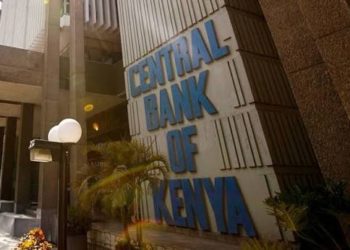
However, the increased reliance on domestic borrowing is not without challenges. According to the Central Bank of Kenya (CBK), growth in commercial bank lending to the private sector improved to 9.3% in May 2026 from 7.1% in April 2026, signaling a gradual recovery in private sector credit uptake. Nevertheless, the government’s plan to borrow nearly Kshs 1.0 tn from the domestic market could absorb a significant share of available liquidity. Given that government securities are generally considered lower-risk investments, banks may be incentivized to allocate more funds towards Treasury bills and bonds rather than extending credit to businesses and households.
This dynamic raises the risk of crowding out private sector investment, particularly at a time when access to credit remains a key driver of business expansion, job creation, and economic growth. If sustained over the medium term, increased government borrowing could limit the availability of affordable credit, dampen private sector activity, and slow economic expansion.
As such, while greater reliance on domestic debt strengthens resilience against external shocks and supports the development of Kenya’s local debt market, policymakers will need to carefully balance fiscal financing needs against the risk of constraining private sector access to credit.
Start your investment journey today with the Cytonn Money Market Fund. Call + 254 (0)709101200 or email sales@cytonn.com