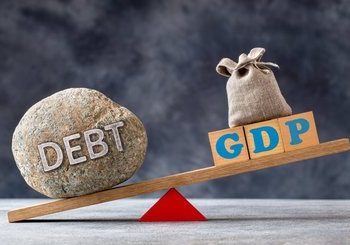

Kenya’s domestic debt has officially crossed the KSh 7 trillion mark, signaling a continued rise in government borrowing from the local market. This milestone reflects the government’s increasing reliance on internal sources such as commercial banks, pension funds, and other financial institutions to finance its budget and meet debt obligations.Domestic borrowing has become a preferred option for the government in recent years, particularly as external financing conditions tighten and global interest rates remain elevated. By turning to the local market, the government is able to access funds more quickly and with fewer foreign exchange risks. However, this strategy is not without significant economic implications.
One of the key concerns associated with rising domestic debt is the potential crowding out of the private sector. When the government borrows heavily from local financial institutions, it competes directly with businesses and individuals seeking credit. Since government securities are generally considered low-risk and offer attractive returns, banks often prefer lending to the government rather than to private enterprises. This reduces the availability of credit for businesses, especially small and medium-sized enterprises (SMEs), which are critical drivers of economic growth and job creation.
As access to credit becomes more constrained, businesses may struggle to expand operations, invest in new projects, or manage day-to-day cash flow needs. This can lead to slower economic activity, reduced innovation, and limited job opportunities, ultimately affecting the broader economy. In the long run, sustained crowding out could weaken Kenya’s private sector competitiveness and slow down overall economic growth.Additionally, rising domestic debt increases the government’s debt servicing burden. A significant portion of government revenue is already allocated to servicing debt, leaving less room for development spending in key sectors such as healthcare, education, and infrastructure. This creates a delicate balancing act for policymakers, who must manage fiscal deficits while supporting economic growth.
Despite these challenges, domestic borrowing remains an important tool for fiscal management. The government continues to explore ways to improve revenue collection and enhance fiscal discipline in order to reduce overreliance on borrowing. Strengthening public financial management and promoting economic growth will be key to ensuring debt sustainability in the long term.In conclusion, while Kenya’s domestic debt crossing KSh 7 trillion highlights the government’s ability to access local financing, it also underscores growing fiscal pressures. Addressing the risks associated with high domestic borrowing will be critical in safeguarding private sector growth and maintaining economic stability.