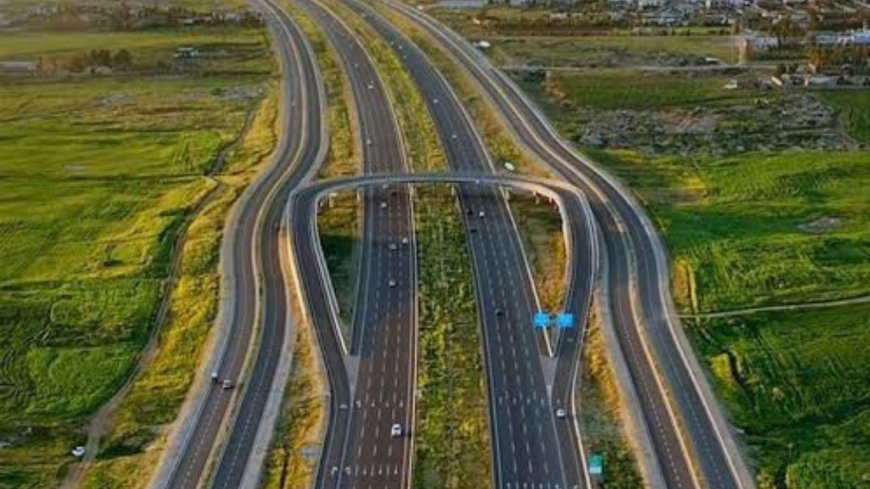
Kenya stands at a defining moment in its infrastructure development journey with the proposed construction of the Rironi–Mau Summit Expressway. This project, which seeks to upgrade the busy 175.0 km stretch from Rironi, near Nairobi, to Mau Summit through Naivasha and Nakuru, is one of the most ambitious road projects in the country’s history. It is set to be implemented through a Public Private Partnership (PPP) arrangement and aims to transform a heavily congested section of the Northern Corridor into a modern four to six lane express-way. While the project holds immense promise for economic growth and regional integration, it also presents several concerns related to accessibility, affordability, and accountability that must be carefully managed.
The benefits of the expressway are undeniably significant. It is expected to dramatically reduce congestion along the Nairobi–Nakuru highway, one of the busiest transport corridors in East Africa. The current single carriageway often experiences traffic jams, particularly during weekends and holidays, as it accommodates both heavy commercial trucks and passenger vehicles. The proposed expansion into an expressway will allow for faster and safer travel for commuters and cargo, reducing travel time between Nairobi and Nakuru by 2.0 hours to 2.0 hours from 4.0 hours. Such an improvement will not only save time and fuel but also enhance road safety and improve overall logistics efficiency.
The Rironi–Mau Summit Expressway promises to stimulate regional economies along its route. Counties such as Kiambu, Nakuru, and Nyandarua are expected to benefit from increased business activity, lower transport costs, and improved access to markets. The expressway will make it easier for farmers to transport produce, for industries to move goods, and for investors to access these growing towns. In the long run, this could lead to the emergence of new economic zones, industrial parks, and residential developments along the corridor, significantly boosting employment and local revenue generation.
Additionally, the project’s design reflects modern road infrastructure standards. It includes plans for service roads, interchanges, pedestrian and cycling paths, and underpasses to ensure inclusivity and safety for all road users. If implemented as envisioned, this could set a benchmark for how major road projects in Kenya should be planned.


However, despite its immense potential, the project has sparked public debate over several concerns. One of the most contentious issues is the plan to introduce tolls along the expressway. While tolling is common practice in PPP projects as a way of recovering investment costs, many Kenyans fear that it may make the road unaffordable for ordinary users. Critics argue that motorists already pay fuel levies and road maintenance fees, and charging an additional toll could amount to double taxation. Moreover, unless a truly free alternative route is provided, low-income road users might find themselves excluded from using a major national highway. Such an outcome would be counterproductive to the government’s goal of promoting equitable development.