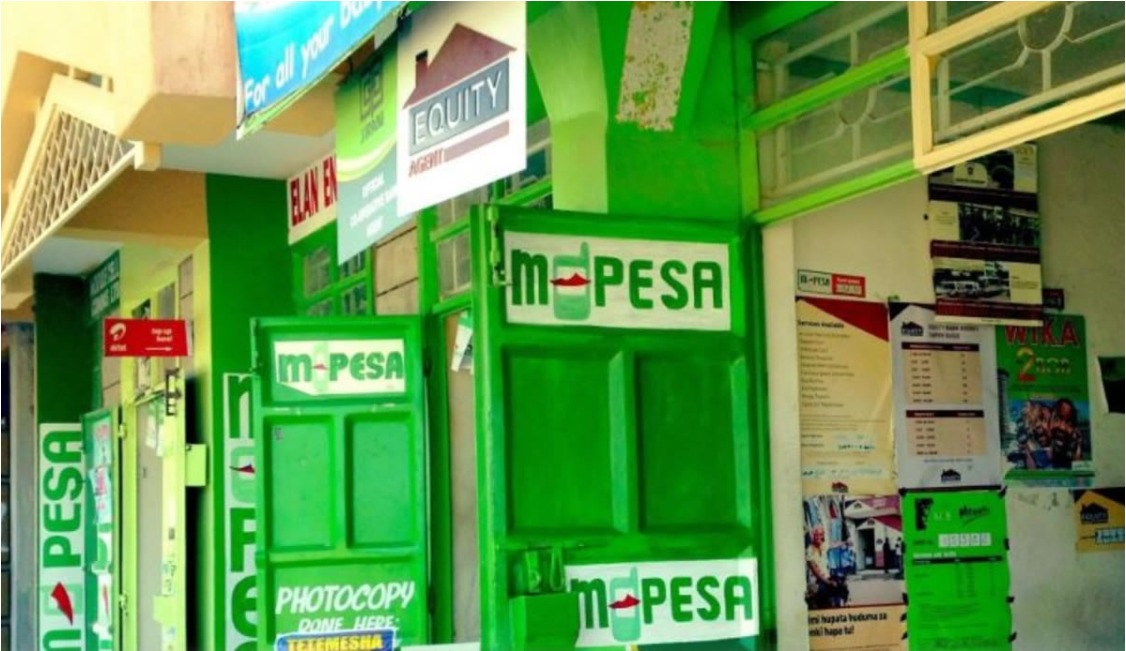
Kenya’s proposal to impose a 16 percent value-added tax (VAT) on digital payment platforms marks a major shift in the taxation of the country’s fast-growing fintech ecosystem, with potential implications for transaction costs, financial inclusion, and the wider digital economy. The proposal targets the fees earned by payment service providers (PSPs) such as Safaricom’s M-Pesa, Airtel Money, Pesapal and Kenswitch, rather than the direct transfer of money itself.
The Treasury argues that the tax applies to the ICT infrastructure enabling transactions rather than the transfer activity undertaken by consumers. However, the structure of VAT as a consumption tax means the burden is likely to be passed on to users through higher transaction charges. This places Kenya’s digital payments ecosystem at a critical turning point, especially given the central role mobile money plays in daily economic activity.
The proposal comes at a time when Kenya’s digital payments market is experiencing accelerated growth. M-Pesa transaction volumes rose by 25.1 percent to 46.4 billion transactions in the year to March 2026, up from 37.1 billion previously. The value of those transactions increased by 8.9 percent to Sh41.7 trillion from Sh38.3 trillion, highlighting the scale of the mobile money economy and its importance to both households and businesses.
Safaricom’s M-Pesa revenues also grew 13.4 percent to Sh182.7 billion from Sh161.1 billion, accounting for 44.2 percent of the company’s total earnings. Monthly active M-Pesa users increased by 13.3 percent to 37.91 million, compared to 33.46 million a year earlier, while average chargeable transactions per user rose 3.5 percent to 38.6 transactions from 37.3.


The Treasury’s move appears driven by the sector’s strong profitability and expanding transaction base, positioning digital payments as a new frontier for revenue collection amid widening fiscal pressure. Kenya currently has 42 licensed payment service providers operating across mobile money, merchant payments, and digital transaction processing.
Yet the proposed tax risks slowing the momentum of Kenya’s cashless economy. Mobile money has historically expanded financial access by offering low-cost, convenient alternatives to traditional banking, especially for low-income users and small businesses. Any increase in transaction costs could disproportionately affect informal traders, gig workers, and households that rely heavily on mobile transfers for daily commerce.
The debate also exposes a growing policy tension between revenue mobilization and digital financial inclusion. Traditional banking services such as ATM withdrawals, cheque processing, loan underwriting, foreign exchange transactions, and securities trading remain VAT-exempt under Kenya’s tax framework. This has raised concerns that the proposed changes unfairly target fintech-driven services while preserving tax advantages for conventional banking institutions.
The proposal further follows a recent High Court ruling that barred the Kenya Revenue Authority from imposing VAT on certain payment processing services, reinforcing the legal ambiguity around whether digital payment infrastructure should be classified as a taxable ICT service or an exempt financial service.
For fintech investors and operators, the new VAT proposal could reshape pricing models and growth projections in one of Africa’s most advanced digital payments markets. Kenya has spent nearly two decades positioning itself as a global leader in mobile money innovation, with M-Pesa becoming a benchmark for financial technology adoption worldwide.
The broader concern now is whether increasing taxation on digital transactions could weaken the very ecosystem that accelerated financial inclusion, formalized commerce, and expanded access to financial services across millions of Kenyans.