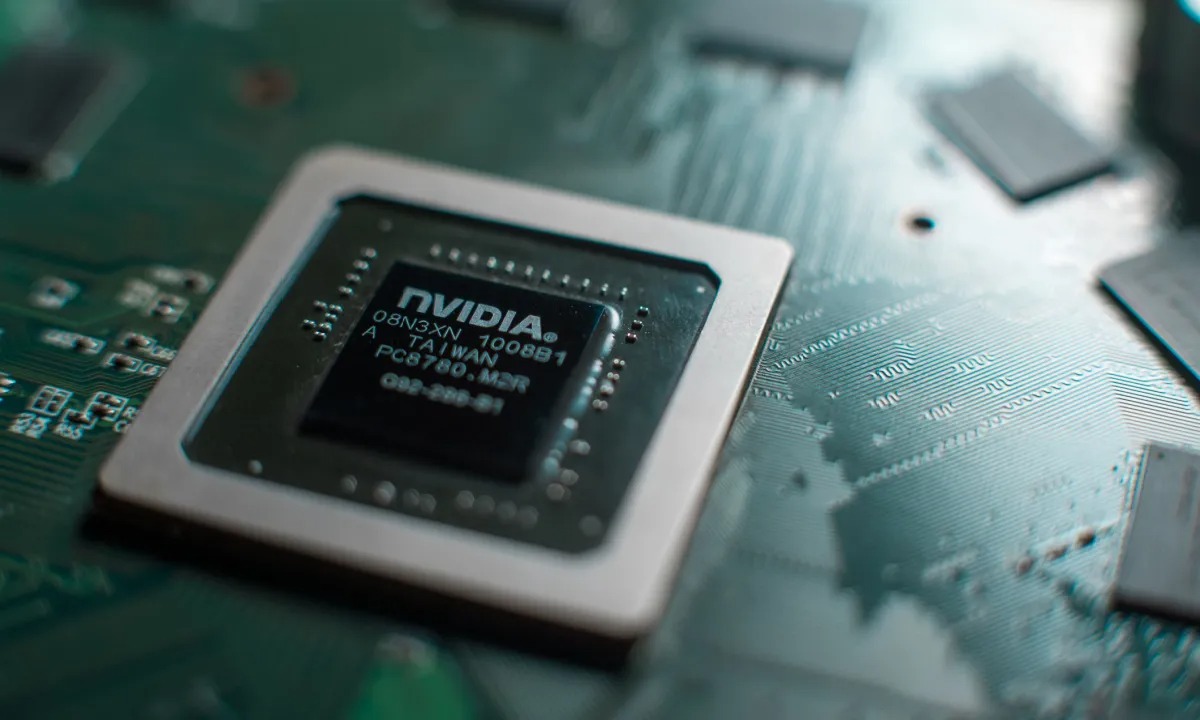
Nvidia is preparing to increase prices for some servers containing its artificial intelligence chips by more than 15%, as rising memory chip costs put additional pressure on the economics of AI infrastructure. The increases are expected to apply to systems shipped from early 2027.
The reported price changes will affect systems built around Nvidia’s flagship Grace Blackwell and upcoming Vera Rubin platforms. However, the increase will not be uniform across all systems. The extent of the adjustment is expected to depend on factors including the generation of the Nvidia chips and the amount and configuration of memory used in each system.
The main factor behind the increases is the rising cost of memory components used in AI computing systems. High performance AI processors require substantial amounts of memory to handle increasingly complex workloads, making memory an important component of the overall cost of AI servers. Demand for memory has also increased as technology companies continue expanding data centre capacity for AI applications.
The reported increases are being communicated through server manufacturers that assemble systems for large data centre operators. Companies serving major technology firms, including Microsoft, Google and Oracle, have reportedly notified customers about the forthcoming price changes.


The development highlights how supply constraints in one part of the semiconductor industry can affect the wider AI infrastructure market. Memory manufacturers, including Samsung Electronics, SK Hynix and Micron Technology, are facing strong demand linked to AI infrastructure, while semiconductor capacity is increasingly being directed toward high-bandwidth memory and other products used in advanced computing.
For data centre operators, higher server prices could increase the cost of expanding AI computing capacity. The impact, however, will vary depending on system specifications, purchasing arrangements and the ability of companies to absorb or pass on higher hardware costs.
The company is scheduled to release its second quarter financial results on August 26, 2026, which could provide further information on demand, supply conditions and costs across its data centre business.