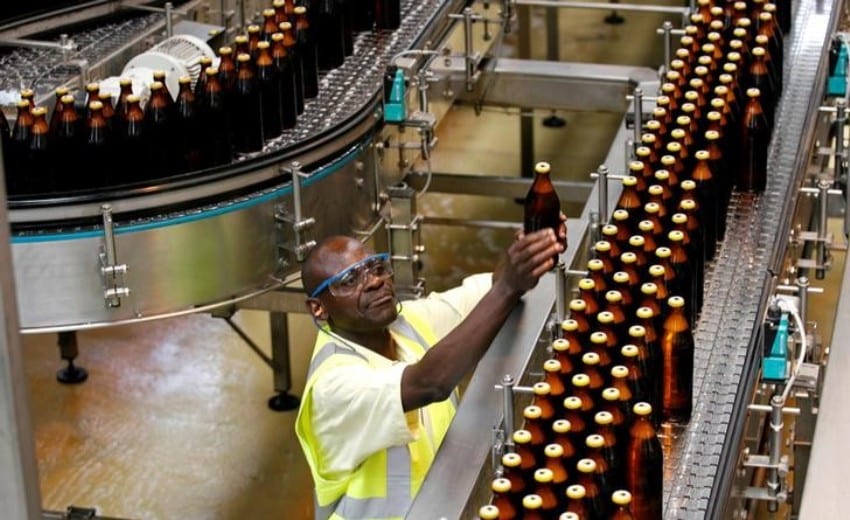
Kenya’s illicit alcohol trade has grown into a major economic and public health concern, with the market estimated at KSh203 billion and accounting for about 60% of alcohol consumed in the country. The trade is also estimated to cost the government KSh120 billion in lost tax revenue annually, with illegal alcohol increasingly competing with the formal market through cheaper, unregulated products.
Beyond lost revenue, the health cost is significant. Kenya’s Crime Research Centre has documented cases of deaths, blindness and serious illness linked to toxic substances found in illicit alcohol, while recent enforcement operations continue to uncover counterfeit products, diverted ethanol and refilled genuine bottles.
Authorities have stepped up raids and seizures, but the scale of the problem points to a deeper challenge. Kenya needs stronger supply-chain controls, intelligence sharing, coordinated multi-agency enforcement and effective prosecution to disrupt the networks behind the trade.
The numbers tell a bigger story, illicit alcohol is no longer just a public health issue, it is a significant economic and regulatory challenge that Kenya cannot afford to ignore.