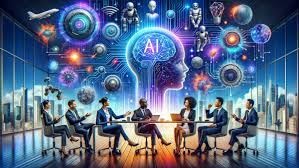
Artificial intelligence is rapidly changing how content is produced, creating new opportunities for businesses and creators while exposing gaps in copyright laws that were developed long before generative AI became widely accessible.
AI tools can now produce images, music, articles, videos and other creative works within seconds. While this has lowered the cost of content production and improved productivity, it has also raised a fundamental question: who should own and benefit financially from work created with the help of artificial intelligence?
The growing use of AI makes stronger and clearer copyright rules increasingly important. Existing copyright frameworks generally place human creativity at the centre of copyright protection, creating uncertainty where a work is produced largely or entirely by an automated system.
For businesses, this uncertainty can have significant commercial implications. Companies investing in AI-generated marketing materials, software, designs or other digital assets need clarity over whether those works can be protected from unauthorised copying. Without clear rules, businesses may face difficulties establishing ownership or enforcing their rights when competitors use similar AI-generated content.


The issue is equally important for Kenya’s creative economy. Writers, musicians, filmmakers, photographers, designers and other creative professionals are increasingly incorporating AI into their work. Rather than treating AI simply as a replacement for human creativity, policy should distinguish between fully machine-generated output and works where AI is used as a tool by a human creator.
Policymakers should therefore consider updating copyright regulations to reflect the realities of AI-assisted production. This could include clearer definitions of human authorship, disclosure requirements for AI-generated material and guidelines on copyright ownership where humans and AI systems jointly contribute to the creative process.
At the same time, regulation should avoid restricting innovation. Excessively rigid requirements could discourage businesses from adopting technologies that can reduce production costs and improve efficiency. The objective should instead be to establish predictable rules that protect genuine human creativity while allowing responsible use of AI.
The rapid adoption of artificial intelligence means the question is no longer whether AI will transform creative industries, but whether regulation will keep pace with that transformation. Stronger copyright rules can give creators and businesses greater certainty, protect the commercial value of creative work and provide a foundation for investment in the digital economy. Without such reforms, technological progress could continue to move faster than the legal protections designed to govern it.