Sharp Daily
No Result
View All Result
Saturday, September 5, 2026
  • Home
  • News
    • Politics
  • Business
    • Banking
  • Investments
  • Technology
  • Startups
  • Real Estate
  • Features
  • Appointments
  • About Us
    • Meet The Team
Sharp Daily
  • Home
  • News
    • Politics
  • Business
    • Banking
  • Investments
  • Technology
  • Startups
  • Real Estate
  • Features
  • Appointments
  • About Us
    • Meet The Team
No Result
View All Result
Sharp Daily
No Result
View All Result
Home Economy

Kenya’s Sovereign Wealth Fund: A new path to sustainable growth and fiscal stability

cmuriungi by cmuriungi
October 30, 2025
in Economy
Reading Time: 2 mins read

A sovereign wealth fund (SWF) is a state owned investment fund created to manage a country’s surplus revenues, often sourced from natural resources like minerals and petroleum. These funds are designed to preserve wealth for future generations, stabilize the economy against commodity price volatility, and finance critical infrastructure projects. Kenya is in the process of establishing a sovereign wealth fund as part of a strategic shift from heavy reliance on debt driven infrastructure development toward a more sustainable approach based on asset sales and long-term investments.

The Kenyan government, under President William Ruto, has proposed a bill to set up both a sovereign wealth fund and an infrastructure fund to mobilize domestic capital, attract investment, and promote economic self-reliance. This initiative comes against the backdrop of Kenya’s burgeoning debt service burden due to a decade of borrowing for infrastructure projects. By establishing these funds, Kenya aims to finance key sectors without repeating the cycle of excessive borrowing that has strained public finances.

The sovereign wealth fund will be capitalized through proceeds from the privatization of state-owned enterprises, starting with the partial sale of shares in the Kenya Pipeline Company. According to the session paper on the privatization of KPC ,the sale is expected to generate approximately KES 100.0 bn, which will seed both the sovereign wealth fund and the infrastructure fund. According to the bill, the infrastructure fund will focus on revitalizing Kenya’s agriculture sector an essential component of the economy contributing around 22.0% of GDP and employing nearly 70.0% of the rural population as well as expanding the power sector to meet the country’s industrial ambitions.

The Kenya Sovereign Wealth Fund will have three pillars: a stabilization unit to buffer the economy against external shocks and resource price swings, an infrastructure investment arm to finance long term development projects, and a savings component intended to preserve wealth for future generations. The Fund will adhere to strict governance and transparency guidelines, including compliance with the Santiago Principles and oversight by parliamentary bodies and the Auditor General. This approach is meant to ensure fiscal prudence and avoid the pitfalls of the “resource curse,” which have afflicted other resource rich nations.


RELATEDPOSTS

How financial institution failures affect the wider economy

September 4, 2026

The Fed’s September Dilemma: Inflation, Oil and the Jobs Market

September 4, 2026

By managing resource revenues responsibly through the sovereign wealth fund, Kenya plans to convert finite natural resource wealth into sustainable economic assets. This fund will help insulate Kenya’s economy from volatility, stabilize budget revenues, and provide reliable financing for modernization efforts without resorting to high levels of debt. Additionally, the fund is expected to build investor confidence and attract foreign direct investment by demonstrating fiscal discipline and transparent management aligned with global best practices.
Previous Post

Why saving in a money market fund beats a regular bank account

Next Post

SASRA warns auditors over SACCO reporting failures

cmuriungi

cmuriungi

Related Posts

Economy

Kenya’s inflation edges up to 6.6% in August 2026, driven by fuel and food costs

September 1, 2026
Economy

Nairobi Traders Strike: Businesses Protest KRA’s 28% Customs Valuation Hike

August 28, 2026
Economy

How dirty money fears are disrupting Kenya’s digital payment lifeline

August 21, 2026
Analysis

Why Kenya’s capital gains tax collections just hit a record Sh26.8 billion

August 20, 2026
Analysis

Kenya’s Sh1 trillion trade deficit: Why the import bill is becoming a bigger problem

August 18, 2026
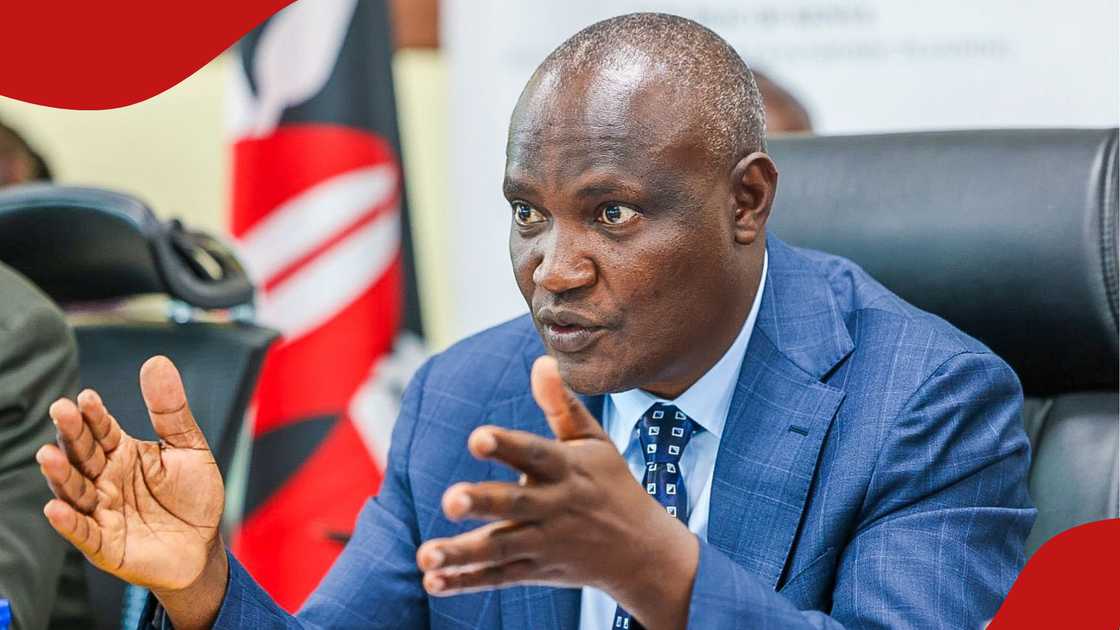
John Mbadi, Kenya's treasury secretary, during an interview in Nairobi, Kenya, on Wednesday, Aug. 20, 2025. Kenya is in talks with China to convert dollar-denominated debt the East African nation owes its biggest bilateral lender to yuan and extend the repayment period, Mbadi said. Photographer: Kang-Chun Cheng/Bloomberg via Getty Images
Analysis

Treasury’s Sh78.6 billion tax cut: relief or more government borrowing?

August 17, 2026

LATEST STORIES

Kenya holds central bank rate at 8.75%

September 4, 2026

How financial institution failures affect the wider economy

September 4, 2026

The Power of Compound Interest in Building Your Retirement Fund

September 4, 2026

Election Cycles and Investments in Kenya: Positioning Ahead of 2027

September 4, 2026

The Fed’s September Dilemma: Inflation, Oil and the Jobs Market

September 4, 2026

A Strong Brand Does Not Always Make a Strong Investment

September 4, 2026

When Weak Financial Controls Become an Investment Risk

September 4, 2026

Strategic Partnerships Can Create Value Beyond a Company’s Core Business

September 4, 2026
  • About Us
  • Meet The Team
  • Careers
  • Privacy Policy
  • Terms and Conditions
Email us: editor@thesharpdaily.com

Sharp Daily © 2024

No Result
View All Result
  • Home
  • News
    • Politics
  • Business
    • Banking
  • Investments
  • Technology
  • Startups
  • Real Estate
  • Features
  • Appointments
  • About Us
    • Meet The Team

Sharp Daily © 2024