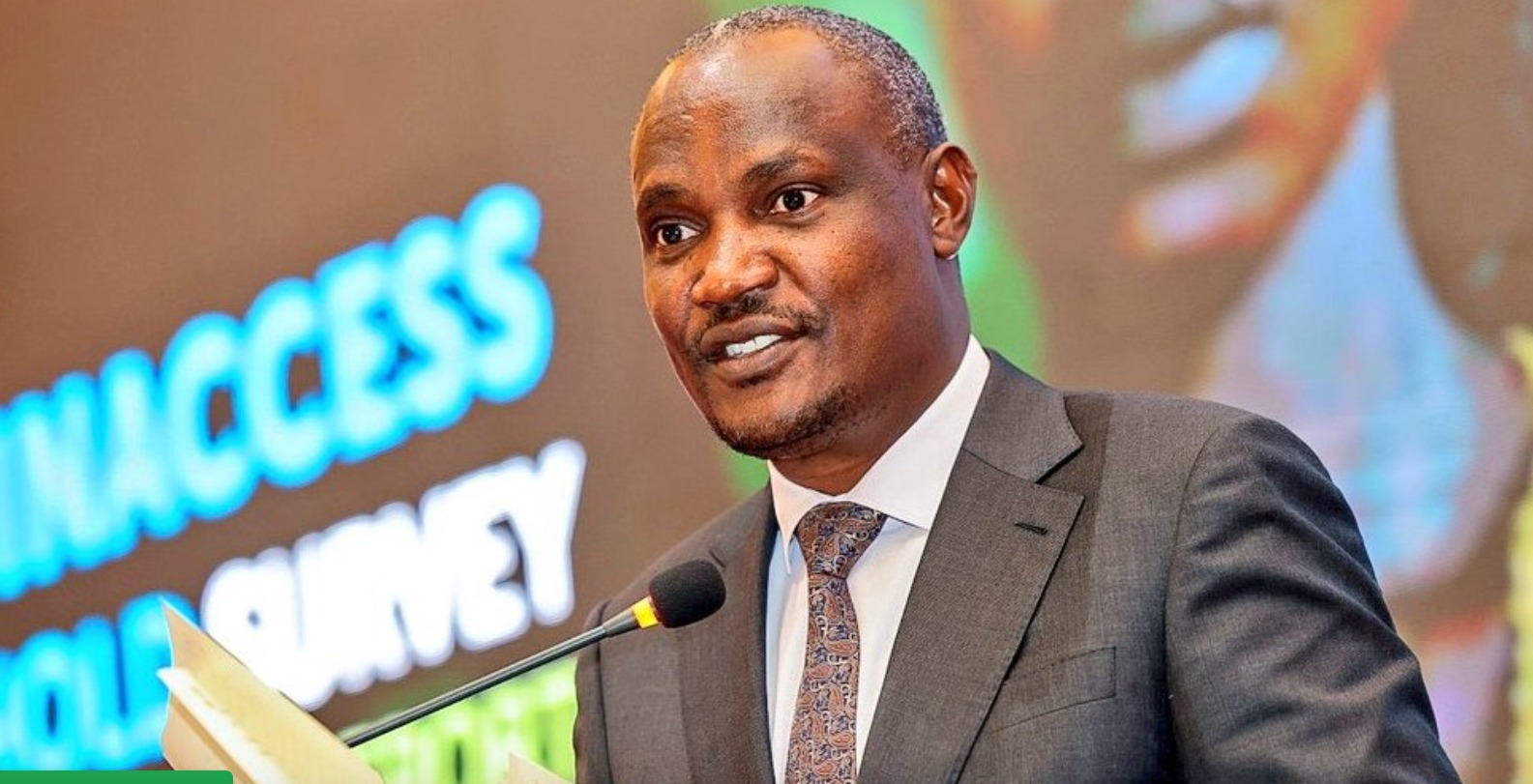
National Treasury Cabinet Secretary John Mbadi is facing a delicate balancing act as the government seeks to finance a record Sh4.8 trillion budget for the 2026/27 financial year amid slowing revenue growth, rising expenditure demands, and increasing pressure to provide tax relief to households affected by higher living costs.
The challenge comes at a time when Kenya’s fiscal position is being tested by external economic shocks linked to tensions in the Middle East, which have contributed to higher fuel prices and elevated inflation. To cushion consumers, the Treasury reduced Value Added Tax (VAT) on fuel from 16 percent to 8 percent for a three-month period beginning April 2026. The measure is expected to cost the government Sh12.9 billion in forgone revenue.
The pressure on public finances could intensify further if the government proceeds with proposed Pay-As-You-Earn (PAYE) tax cuts aimed at increasing disposable income for low-income workers. Treasury estimates indicate that raising the tax-free income threshold from Sh24,000 to Sh30,000 and adjusting tax rates for workers earning up to Sh50,000 monthly would create an additional annual revenue shortfall of approximately Sh35 billion.
Combined, the fuel VAT reduction and proposed PAYE reforms could reduce government revenues by nearly Sh47.9 billion, complicating efforts to finance development projects while maintaining fiscal stability.


The situation highlights the difficult policy choices facing the Treasury. On one hand, households are grappling with rising prices. Kenya’s inflation rate climbed to 6.7 percent in May 2026, up from 5.6 percent in April, reaching its highest level in 28 months. Higher fuel costs have pushed up transportation, food, housing, and energy expenses, eroding household purchasing power.
On the other hand, the government is under pressure to maintain revenue collection targets. Ordinary revenue, including taxes and non-tax income, is projected to rise by 7.2 percent from Sh2.784 trillion in the current fiscal year to Sh2.985 trillion in 2026/27. However, recent collection trends suggest the target may be difficult to achieve. During the first nine months of the current fiscal year, ordinary revenue collections reached Sh1.818 trillion, falling Sh161.9 billion below the target of Sh1.98 trillion.
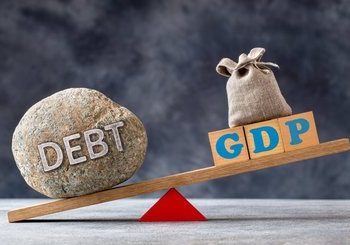
The fiscal challenge is further complicated by Kenya’s widening budget deficit. The government projects a financing gap of Sh1.1 trillion in the coming fiscal year after accounting for grants and other revenues. Of this amount, Sh995.7 billion, or approximately 90.5 percent, is expected to be financed through domestic borrowing, while only Sh116.2 billion will come from external sources.
Rather than relying solely on additional taxation, the Treasury is increasingly pursuing alternative financing mechanisms. These include public-private partnerships (PPPs), securitisation of government levies, and asset monetisation. Proceeds from the Sh106.3 billion sale of the government’s stake in the Kenya Pipeline Company (KPC) are expected to support the National Infrastructure Fund (NIF), which aims to attract private capital for infrastructure development.
The housing sector is also exploring securitisation of future receivables, including proceeds from the Affordable Housing Levy, to accelerate affordable housing projects without placing additional pressure on the national budget.
Unlike the Finance Bill 2024, which sought to raise Sh346 billion before being withdrawn following nationwide protests, the Finance Bill 2026 adopts a more cautious approach. The Treasury expects to generate approximately Sh120 billion through new tax measures, largely focusing on expanding the tax base, improving compliance, and sealing revenue leakages rather than introducing broad-based tax increases.
The coming months will therefore be critical for fiscal policy. The Treasury must balance demands for tax relief, economic growth, and social support while preserving revenue collection and containing borrowing levels. Whether the government can achieve its ambitious revenue targets without introducing significant new taxes may ultimately determine the sustainability of Kenya’s fiscal position in the 2026/27 financial y