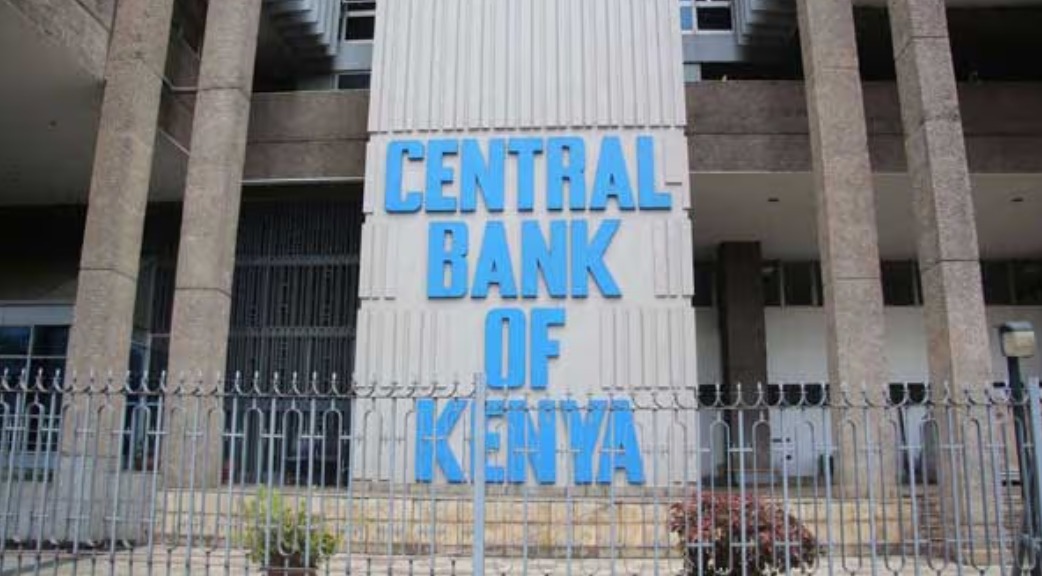
The Central Bank of Kenya (CBK) has taken a position that conflicts with a landmark Supreme Court ruling on how commercial banks should adjust lending rates, creating fresh uncertainty for the banking sector.
CBK Governor Kamau Thugge has directed banks to implement changes to their lending rates immediately whenever the Central Bank Rate (CBR) is adjusted, arguing that monetary policy decisions should take effect without delays. According to the regulator, prompt adjustments are necessary to ensure that changes in monetary policy are effectively transmitted throughout the economy.
The CBK’s guidance, however, differs from a 2024 Supreme Court judgment that held banks must first obtain approval from the Treasury Cabinet Secretary before increasing lending rates. The court based its decision on Section 44 of the Banking Act, which prohibits financial institutions from increasing banking charges without prior approval from the relevant Cabinet Secretary.
The ruling stemmed from a legal dispute involving Stanbic Bank Kenya, where the court found that the lender had unlawfully increased interest rates without the required approval. As a result, the bank was ordered to refund more than Sh10 million to a borrower. The judgment also opened the door for similar claims that could expose lenders to substantial financial liabilities.


For nearly two decades, banks have relied on a 2006 legal notice issued by then Finance Minister Amos Kimunya, which delegated the approval of interest rate changes to the CBK Governor. However, the courts ruled that while the Cabinet Secretary could delegate authority, the legal responsibility under Section 44 remained with the Treasury, effectively invalidating the long-standing practice.
The conflicting positions have left banks in a difficult position. Legal experts warn that institutions now face the risk of either violating the Banking Act by following the CBK’s guidance or failing to comply with the regulator’s expectations if they wait for Treasury approval.
Commercial lawyer Moureen Nyatichi notes that as long as Section 44 remains unchanged, courts are likely to continue interpreting the law literally.
“Banks are caught in a difficult position. The regulator expects immediate implementation of monetary policy, but the law still requires approval from the Treasury before increasing banking charges.”
The Kenya Bankers Association (KBA) has attempted to reconcile the two positions by arguing that immediate adjustments should only apply when loan rates move in line with changes in the CBR. According to KBA Chief Executive Raimond Molenje, Treasury approval would only be necessary for interest rate increases unrelated to movements in the benchmark rate.
This marks a shift from the banking industry’s earlier position. In March 2026, the KBA had argued that Section 44 made it practically impossible for banks to implement CBR changes immediately, prompting it to seek legal clarification.
The courts have consistently maintained that Section 44 does not interfere with the CBK’s constitutional mandate to formulate monetary policy. Instead, judges have distinguished between the central bank’s role in setting benchmark interest rates and commercial banks’ decisions on loan pricing, which they say Parliament is entitled to regulate to protect consumers.
The regulatory uncertainty has persisted since February 2025, when the CBK instructed banks to promptly revise lending rates following changes in the CBR. Banks argued that doing so without Treasury approval would expose them to legal action, a concern reinforced by subsequent court rulings against lenders that adjusted rates without following the statutory process.
Until Parliament amends Section 44 of the Banking Act or the courts provide further clarification, commercial banks remain caught between conflicting regulatory directives, increasing legal uncertainty over future interest rate adjustments.