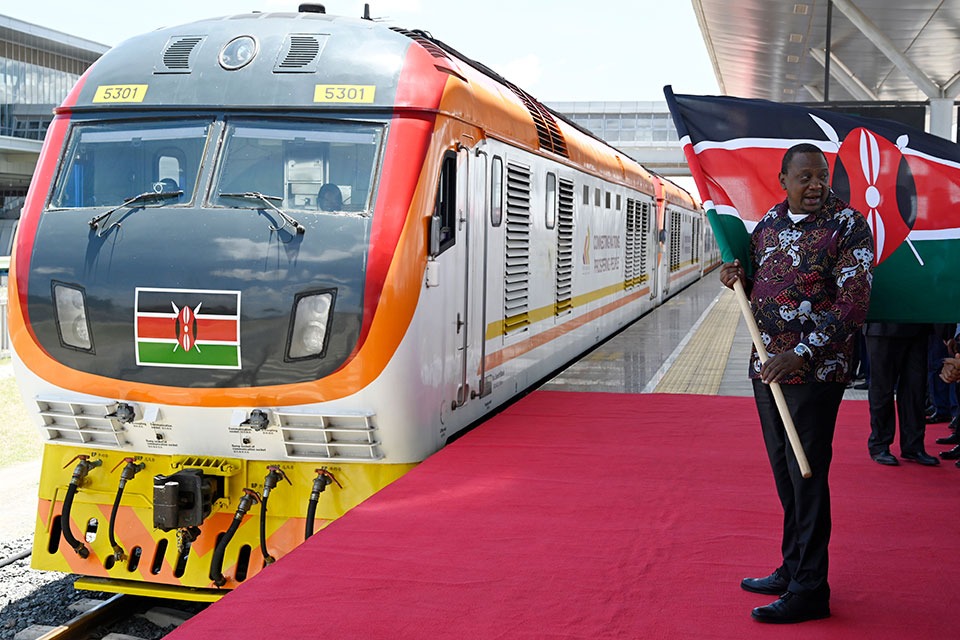


Kenya may be about to make one of its most important infrastructure choices since the building of the Standard Gauge Railway (SGR). The fact that the government and Yapı Merkezi Holdings AŞ are talking about electrifying the Chinese-built rail line shows that not only is technology changing, but so is long-term economic thinking.
This looks like a technical improvement at first glance.
From Diesel to Electric: A Cost Conversation
As David Herbling reports, it could cost about $1 billion to electrify the railroad. That number is important, especially for a country that already has a lot of debt. But the point being made isn’t about the cost up front; it’s about how well it works over time.
It costs less to run electric rail systems. Over time, lower fuel costs, less maintenance, and better energy efficiency all help to lower operating costs. People who support the project say that costs per kilometer could go down by as much as a third.
That is important. People have been worried about the SGR’s long-term financial health for a long time. If electrification can boost margins and usage, it could help the railway get closer to being profitable.
A Missing Link in Regional Integration
The bigger problem is compatibility, not cost.
Yapı Merkezi is also working on an electric railway line within Uganda. Kenya’s current diesel-powered line could become a problem in a region that is trying to connect its transportation systems if it doesn’t get electrified.
For trade to work, there must be seamless connectivity. Things that go from the Port of Mombasa to markets in the interior need to be quick, not slow. A unified electric rail network would make Kenya the main logistics hub in the region by cutting down on delays, lowering costs, and making the country stronger.
In that sense, electrification isn’t just about trains; it’s about being able to compete.
Revisiting the SGR’s Economic Promise
When the SGR was first built, it was positioned as a game-changer for regional trade. While it has improved cargo movement, questions around utilization, pricing, and debt repayment have persisted.
Electrification offers a second chance to optimize that investment.
If operational costs fall and cross-border integration improves, the railway could attract more freight volumes. That would increase revenue and potentially justify the initial capital outlay.
However, this outcome is not guaranteed. It depends on coordinated policy, competitive pricing, and sustained demand from regional trade partners.
Financing: The Elephant in the Room
Yapı Merkezi has indicated that it could help arrange financing for the project. That introduces another critical layer to the conversation.
Kenya must weigh how this project will be funded and at what cost.
Will it rely on concessional loans, commercial borrowing, or a public-private partnership model? Each option carries different implications for debt sustainability and fiscal space.
Given past debates around infrastructure financing, transparency and terms will matter as much as the project itself.
Timing and Regional Momentum
The timing of this proposal is not accidental.
Uganda has already committed funds to its section of the railway, signalling its intent to move forward. If Kenya delays, it risks slowing down a broader regional integration agenda.
On the other hand, moving too quickly without clear financial and operational frameworks could create new risks.
Balancing urgency with caution will be key.
Beyond Infrastructure: A Strategic Choice
This project ultimately forces Kenya to answer a broader question: what role should infrastructure play in its economic future?
Electrifying the railway aligns with global trends toward cleaner energy and more efficient transport systems. It also positions Kenya as a forward-looking player in regional logistics.
However, infrastructure alone does not guarantee growth. It must be supported by policy alignment, trade facilitation, and strong institutional management.