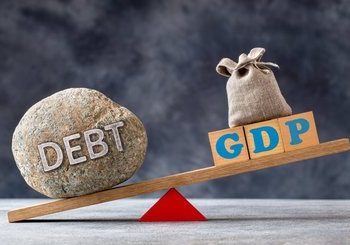
Government borrowing plays a central role in shaping interest rates and investment returns across the economy. In Kenya, when the government needs to finance its budget deficit, it raises funds from the domestic market through Treasury bills and Treasury bonds issued by the Central Bank of Kenya on behalf of National Treasury and Economic Planning. While this borrowing is essential for funding public services and development projects, it also has a direct impact on the cost of money and the attractiveness of various investment opportunities.
When the government borrows heavily from the domestic market, it competes with businesses and individuals for available funds. To attract investors, the government may need to offer higher yields on its securities, particularly when liquidity in the banking system is constrained. As a result, market interest rates tend to rise. Higher interest rates often make fixed income investments such as Treasury bills and bonds more attractive because they offer better returns with relatively low risk. At the same time, elevated borrowing costs can make it more expensive for companies to finance expansion, which may weigh on profitability and reduce the appeal of equities.
When the government’s borrowing requirements decline, pressure on interest rates may ease. This can support lower financing costs for businesses and households, encourage private sector credit growth, and improve sentiment in both equity and bond markets. For investors, Treasury auctions serve as an important indicator of market conditions. Strong demand and falling yields may signal ample liquidity and improving confidence, while weak demand and rising yields can point to tighter financial conditions.
The government borrowing does more than finance public expenditure. It influences liquidity, shapes market interest rates, and affects returns across asset classes. By monitoring borrowing trends and Treasury auction outcomes, investors can gain valuable insight into the direction of interest rates and make more informed portfolio decisions.