
Sharp Daily
No Result
View All Result
Thursday, April 30, 2026
  • Home
  • News
    • Politics
  • Business
    • Banking
  • Investments
  • Technology
  • Startups
  • Real Estate
  • Features
  • Appointments
  • About Us
    • Meet The Team
Sharp Daily
  • Home
  • News
    • Politics
  • Business
    • Banking
  • Investments
  • Technology
  • Startups
  • Real Estate
  • Features
  • Appointments
  • About Us
    • Meet The Team
No Result
View All Result
Sharp Daily
No Result
View All Result
Home Analysis

Fuel & trade measures to stabilize kenya’s economy

serena wayua by serena wayua
April 10, 2026
in Analysis, Economy, Features
Reading Time: 2 mins read

RELATEDPOSTS

Fuel prices ease after tax cut

April 16, 2026

EPRA under spotlight as global fuel costs decline

February 13, 2024

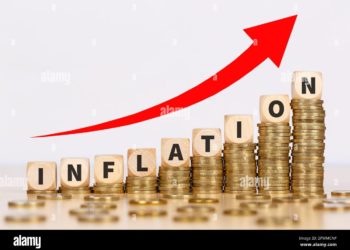
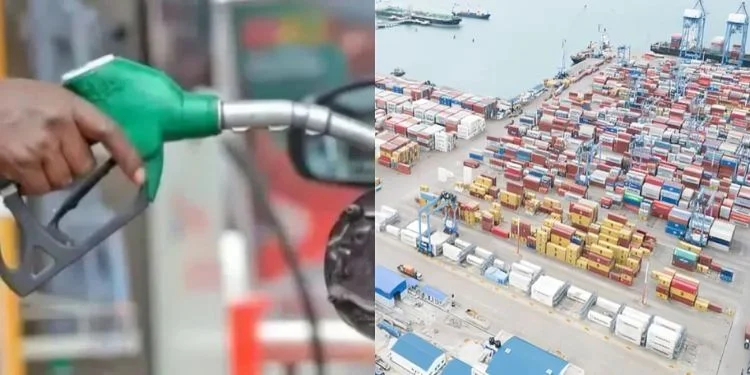
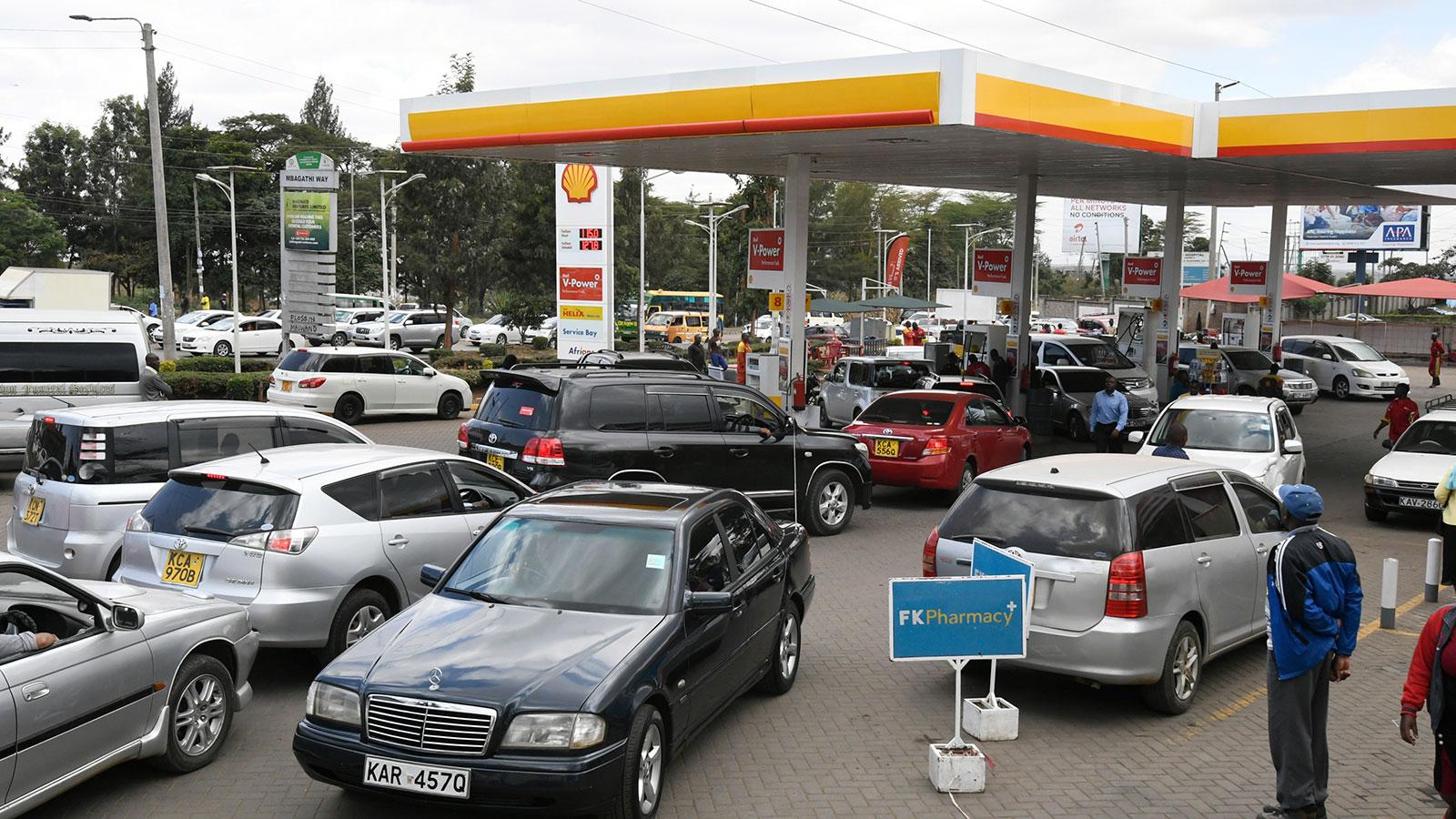
Kenya is increasingly turning to strategic fuel and trade policies to cushion its economy from global shocks, stabilize domestic prices, and support long-term growth. Amid rising global oil prices and supply chain disruptions, the government has intensified the use of government-to-government (G2G) fuel agreements to ensure consistent supply and reduce volatility in the local market.The G2G fuel deal framework allows Kenya to import petroleum products directly through negotiated bilateral agreements rather than relying solely on open market purchases. This approach helps smooth out price fluctuations caused by international oil market instability and foreign exchange pressures. By securing fuel on more predictable terms, the government is able to moderate pump price increases, which in turn eases the cost burden on consumers and businesses. Given that fuel costs significantly influence transportation, manufacturing, and food prices, this intervention plays a critical role in controlling inflation.

At the same time, Kenya is pursuing an export-led growth strategy, with a renewed focus on strengthening trade ties with China. As one of Kenya’s largest trading partners, China presents a significant opportunity for expanding market access for Kenyan goods, particularly agricultural products, tea, coffee, and minerals. Ongoing negotiations around trade facilitation and tariff reductions are expected to enhance the competitiveness of Kenyan exports in the Chinese market. This dual approach—stabilizing imports while boosting exports—is designed to improve Kenya’s balance of trade and support the stability of the Kenyan shilling. Increased export earnings can help offset the high cost of imports, particularly fuel, thereby reducing pressure on foreign exchange reserves. Additionally, stronger trade flows are likely to stimulate local industries, create jobs, and attract further investment into key sectors of the economy.

However, these measures are not without challenges. Kenya must ensure that export growth is supported by adequate production capacity, quality standards, and efficient logistics. Similarly, the sustainability of fuel subsidies or controlled pricing mechanisms under G2G arrangements will depend on global oil price trends and fiscal discipline. Overall, Kenya’s fuel and trade measures reflect a proactive policy direction aimed at navigating a complex global economic environment. By securing energy supplies and expanding international trade opportunities, the country is positioning itself to maintain economic stability while laying the groundwork for future growth.


Previous Post

Capital market development and its importance for economic growth

Next Post

Kenya’s high electricity costs threaten industrial growth and regional competitiveness

serena wayua

serena wayua

Related Posts

Economy

Kenya’s inflation surges to two year high amid fuel crisis and global turmoil

April 30, 2026
Analysis

Kenya’s infrastructure push leans on private investment

April 30, 2026
Analysis

Equity group holdings eyes southern africa growth

April 29, 2026
Economy

Iran conflict exposes Kenya’s economic fragility as growth slows and external risks rise

April 29, 2026
Economy

How a regional refinery could reshape East Africa’s trade deficit

April 24, 2026
Analysis

Kenya airways narrows losses amid recovery efforts and expansion plans

April 24, 2026

LATEST STORIES

Kenya’s financial lifeline amid Iran war fallout: treasury’s bold moves

April 30, 2026

Kenya’s SHA faces sustainability test as claims outpace contributions

April 30, 2026

Kenya’s inflation surges to two year high amid fuel crisis and global turmoil

April 30, 2026

Kenya’s infrastructure push leans on private investment

April 30, 2026

Equity group holdings eyes southern africa growth

April 29, 2026

Iran conflict exposes Kenya’s economic fragility as growth slows and external risks rise

April 29, 2026

Life Cover Benefits Embedded in Retirement Schemes

April 29, 2026

When coverage fails at the point of care: why civil servants are pushing back on SHA

April 29, 2026
  • About Us
  • Meet The Team
  • Careers
  • Privacy Policy
  • Terms and Conditions
Email us: editor@thesharpdaily.com

Sharp Daily © 2024

No Result
View All Result
  • Home
  • News
    • Politics
  • Business
    • Banking
  • Investments
  • Technology
  • Startups
  • Real Estate
  • Features
  • Appointments
  • About Us
    • Meet The Team

Sharp Daily © 2024