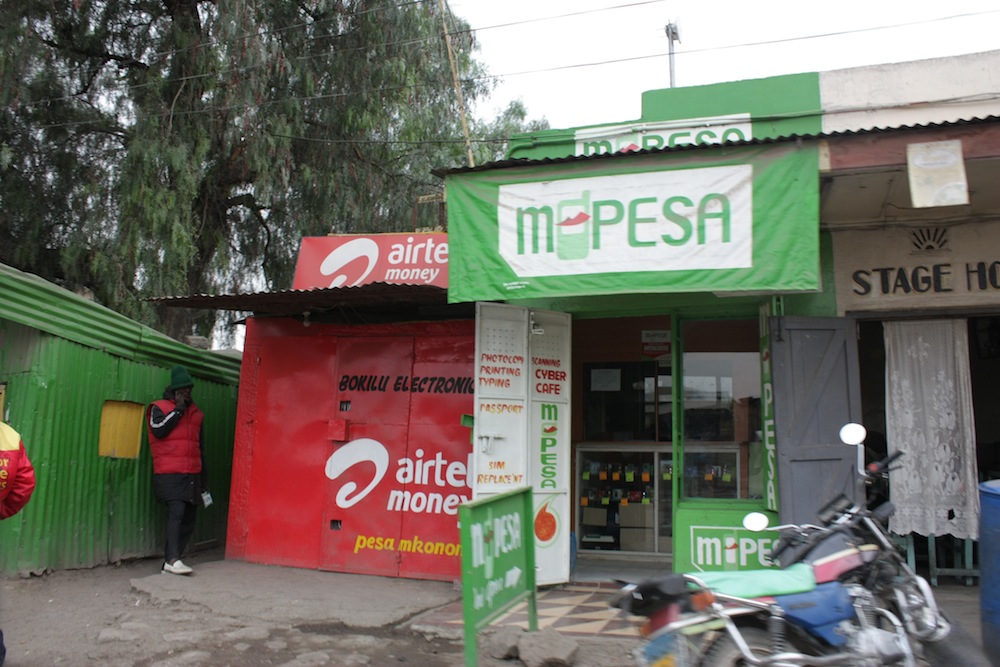
The Kenyan State is exploring the possibility of the introduction of insurance cover for mobile money deposits, a policy shift that could significantly enhance protection for millions of users who rely on digital wallets for daily transactions. The proposal emerges against the backdrop of Kenya’s deepening digital economy, where mobile money platforms have become central to payments, savings, remittances and small business operations.
Mobile money balances, commonly referred to as e-money, are currently held in trust accounts at commercial banks on behalf of customers. While these funds are ring fenced and regulated, they are not individually insured under the existing deposit protection framework, which primarily covers personal bank accounts up to a specified limit in the event of a bank collapse. This structural gap has prompted renewed policy discussions on whether mobile money users should get similar protection.
The consideration of mobile insurance is driven largely by the scale and importance of mobile money in Kenya’s financial system. With most adults using mobile wallets M-Pesa and Airtel Money as their primary financial tool, any disruption to the custodial banking system could expose users to losses despite the safeguards already in place. Policymakers have acknowledged that while mobile money providers place customer funds in regulated banks and low risk instruments, the pooled nature of these accounts complicates compensation should a custodian institution fail.
Under the proposed approach, the State would explore mechanisms to extend deposit insurance coverage to mobile money balances, either by adjusting existing laws or creating a tailored framework for digital money. This would mean that individual users, rather than just the pooled account, could be protected up to a defined limit. Such a move would align consumer protection rules with the realities of modern digital finance.


Supporters of the idea argue that mobile insurance would boost public confidence in digital platforms, particularly as mobile money increasingly supports savings, credit, merchant payments and government transfers. It would also reflect the evolution of financial inclusion in Kenya, where digital channels now serve populations that previously had little or no access to formal banking.
However, the proposal also raises questions about cost, implementation and regulatory balance. Extending insurance coverage could require contributions from mobile money operators, custodian banks, or both, potentially affecting transaction fees or operational models. Regulators are therefore expected to proceed cautiously to avoid undermining innovation while strengthening safeguards.
Importantly, the State’s consideration of mobile insurance does not imply that mobile money systems are unsafe. Instead, it reflects a preventive policy approach, recognizing that systemic risks, however remote, can have widespread consequences given the volume of funds held digitally. By reviewing the regulatory framework now, authorities aim to close protection gaps before a crisis emerges.