Stablecoins and the Future of Digital Value Transfer
Digital innovation drives a structural shift in the global financial system. Stablecoins stand out as a significant development in modern monetary evolution. These digital assets maintain a steady value. Issuers peg them directly to underlying reserve assets like the United States dollar.
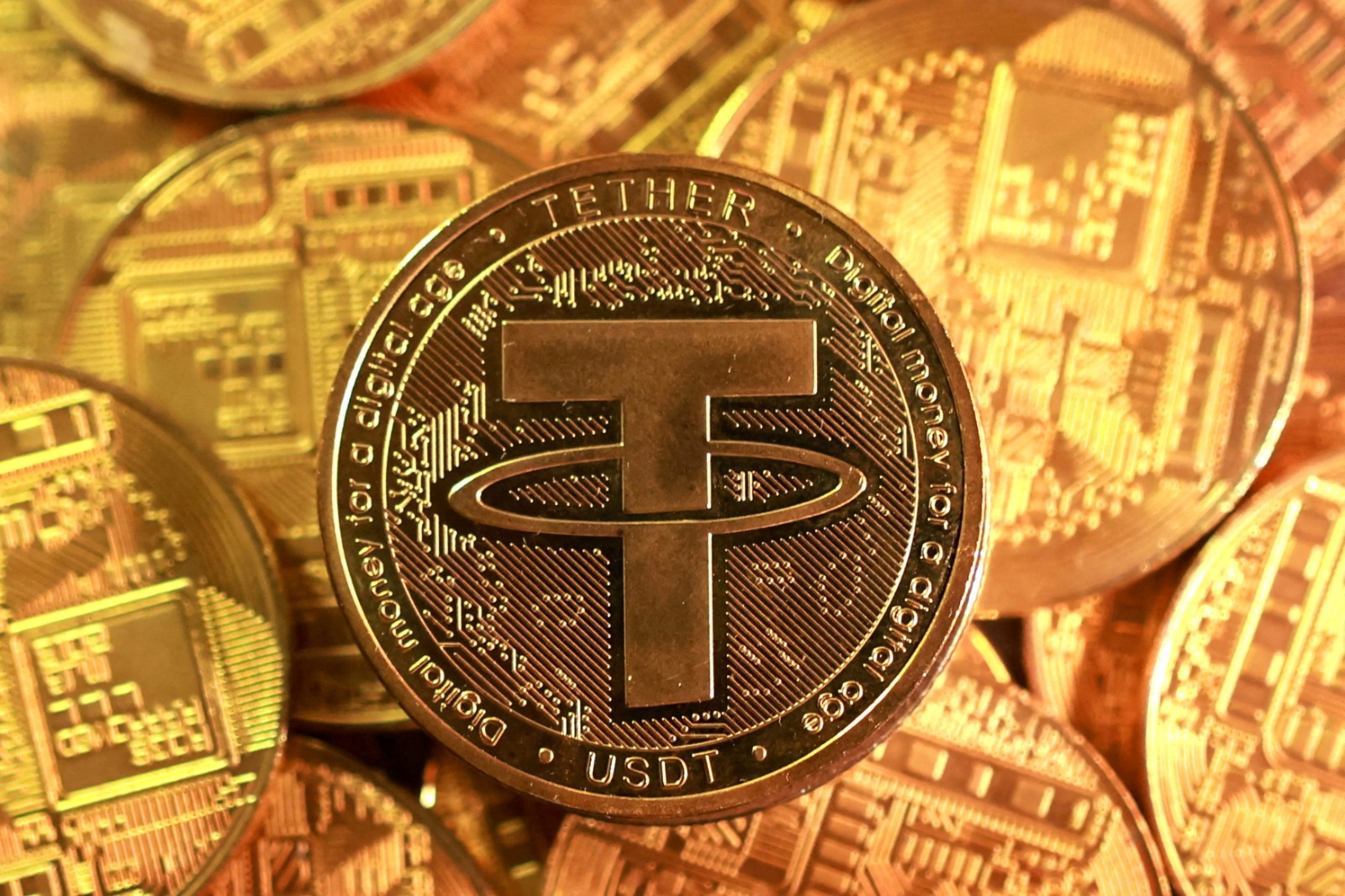
Unlike volatile tokens like Bitcoin, stablecoins combine blockchain efficiency with traditional money stability. They offer borderless, programmable transactions. Since the launch of Tether (USDT) in 2014 and USD Coin (USDC) in 2018, stablecoins have become vital to global finance.
The Global Growth of Stablecoins in Emerging Markets
Stablecoins in emerging markets completely redefine international capital movements. Rising demand for faster, cheaper cross-border payments accelerated adoption between 2020 and 2026. By the early 2020s, global stablecoin transaction volumes reached trillions of dollars annually. This growth reflects their massive role in international payments, decentralized finance (DeFi), and digital commerce.
These assets facilitate near-instant settlement with very low transaction fees. Traditional correspondent banking systems often cause delays of 2 to 5 days. Furthermore, traditional bank corridors frequently charge steep fees exceeding 5 to 7%.


Macroeconomic Drivers of Stablecoins in Emerging Markets
Persistent macroeconomic challenges heavily drive the adoption of stablecoins in emerging markets. Local currency volatility, intense inflationary pressures, and slow remittance networks push users toward digital alternatives. Dollar-pegged tokens provide a reliable store of value and exchange medium where foreign currency access remains tight.
Connected populations in Sub-Saharan Africa, Latin America, and Southeast Asia increasingly use stablecoins. They use them for savings, cross-border trade, and freelance income settlement. For more details on these financial dynamics, you can review our previous analysis on Unlocking Non-Bank Liquidity Through Structured Products.
Evaluating the Kenyan Landscape: Infrastructure and Niche Tokenization
Kenya provides an important case study for digital asset penetration in Africa. The country lacks mainstream retail stablecoin adoption today. However, its existing digital financial ecosystem offers a strong foundation for future growth. Safaricom’s M-Pesa transformed financial inclusion after its launch in 2007. It enabled mobile-based payments for millions and created a highly advanced mobile money market.
Kenya boasts a heavily digitized payments environment. Despite this, stablecoin usage remains concentrated in niche segments rather than mass retail. Freelancers receiving international client payments form the primary user base. Remote workers on global gig platforms and import-export businesses also use USDT and USDC for fast dollar settlements.
Fintech startups in Kenya actively explore stablecoin rails for cross-border payments and treasury management. They target corridors where traditional banking infrastructure feels slow or costly. Mobile money systems like M-Pesa still dominate domestic consumer transactions.
The Evolving Regulation of Stablecoins in Emerging Markets
The rapid expansion of stablecoins in emerging markets forces central banks to adopt structured regulatory frameworks. Policymakers are transitioning away from outright bans. Kenya marked a major milestone by introducing the Virtual Asset Service Providers framework in 2025. This framework formalized oversight of crypto-related activities and stablecoins.
The new regulations signal a gradual shift toward clear policy engagement. This clarity should encourage institutional participation over time. However, the Central Bank of Kenya maintains a cautious stance. It prioritizes financial stability, consumer protection, and strict anti-money laundering compliance.
Digital tokens alter financial infrastructure far beyond Kenya. In Latin America, citizens use stablecoins to hedge against inflation and severe currency depreciation. In Sub-Saharan Africa, users bypass slow correspondent banking systems. Stablecoins facilitate low-cost remittance inflows, supporting millions of local households.
Systemic Risks, Sovereign Monetary Control, and the Future Outlook
Digital tokens introduce significant regulatory and systemic risks despite their benefits. Inadequate reserve backing can trigger severe financial instability. Regulatory arbitrage and money laundering also present clear dangers.
Long-term macroeconomic risks include “crypto-dollarization.” This occurs when local economies depend too heavily on foreign currency-pegged digital assets. Such dependence weakens domestic monetary policy, especially in nations with fragile currency regimes.
Global regulators are actively developing frameworks to govern stablecoin issuers. For example, the United States introduced the GENIUS Act via official congressional legislative channels in July 2025. This law establishes strict standards for 1-to-1 liquidity backing. It removes tokenized payment assets from SEC jurisdiction and integrates stablecoins into federal banking oversight.
Stablecoins will play an increasingly vital role in global financial infrastructure. They successfully slash transaction costs, boost payment efficiency, and expand access to dollar liquidity. Their impact will heavily reshape cross-border trade, remittances, and financial inclusion in emerging economies. Long-term mass adoption ultimately depends on regulatory clarity, institutional integration, and balanced government oversight.