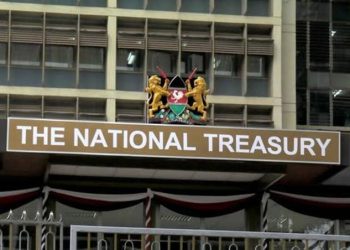
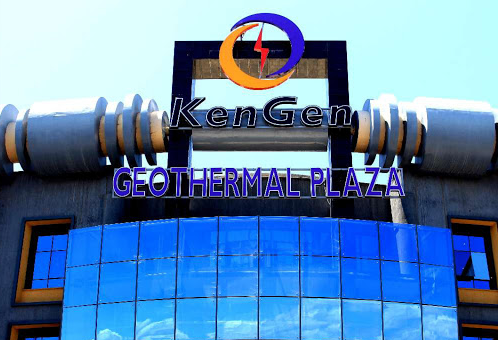
Kenya Electricity Generating Company (KenGen) and the Kenya Ports Authority (KPA) have made notable progress in reducing their exposure to state-guaranteed debt, following the repayment of billions of shillings in outstanding loans. The move marks an important step in Kenya’s broader effort to manage public debt risks and strengthen fiscal stability. According to the latest report by the Controller of Budget, the two state corporations collectively repaid approximately Sh11.76 billion in guaranteed loans. KPA accounted for Sh6.77 billion, while KenGen repaid Sh4.99 billion, significantly lowering their outstanding obligations.
Following these repayments, KPA’s remaining state-guaranteed debt now stands at about Sh39.39 billion, while KenGen’s balance has reduced to Sh22.39 billion. These reductions are seen as a positive signal in a fiscal environment where government-backed liabilities remain a key concern. State-guaranteed loans are borrowings taken by state-owned enterprises but backed by the national government. This means that in the event of default, the government—hence taxpayers—becomes responsible for repayment. As a result, lowering such exposure is critical in reducing contingent liabilities on the national balance sheet.
The repayment is particularly notable because the Treasury reportedly did not allocate specific funds for guaranteed debt servicing in the 2025/26 financial year. This suggests that both KenGen and KPA were able to meet their obligations using internal revenue streams and operational cash flows, reflecting improved financial discipline within the institutions. KenGen, Kenya’s leading power producer, has historically relied on external borrowing to finance large-scale energy projects, especially in geothermal development areas such as Olkaria. These investments have been central to expanding Kenya’s renewable energy capacity and stabilizing electricity supply.
On the other hand, KPA plays a strategic role in facilitating regional trade through the Port of Mombasa and other logistics infrastructure. Its borrowing has largely supported port expansion, modernization, and efficiency improvements aimed at strengthening Kenya’s position as a regional transport hub. Despite these positive developments, Kenya continues to face broader public debt challenges. Other state-linked entities, including Kenya Airways, still struggle with heavy repayment burdens, increasing reliance on government support and raising concerns over fiscal sustainability.

Economists argue that continued reduction in state-guaranteed debt is essential for minimizing sovereign risk and protecting Kenya’s credit profile. However, they also emphasize the need for stronger revenue generation, tighter borrowing controls, and improved project efficiency across state corporations.The recent repayments by KenGen and KPA therefore represent more than just balance sheet improvements—they signal a gradual shift toward greater financial responsibility within public institutions. If sustained, this trend could help ease pressure on the national budget and improve confidence in Kenya’s long-term debt management strategy.