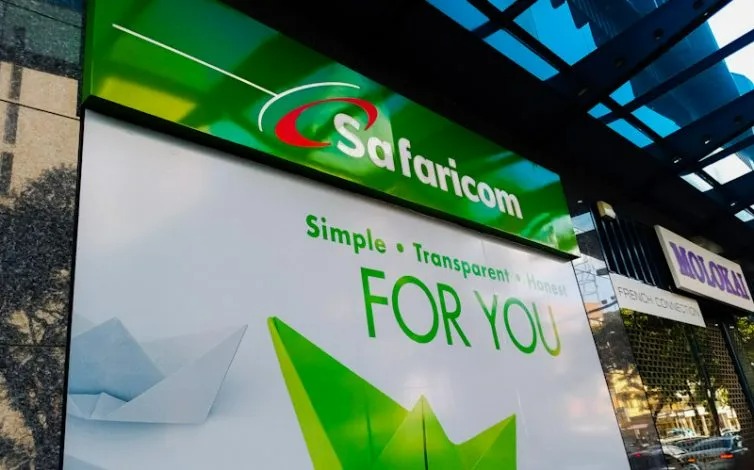
Kenya’s sale of a 15 percent stake in Safaricom has reached its conclusion, but not without significant financial implications for the government. The transaction, valued at approximately KSh244.5 billion, is expected to reshape the country’s telecommunications ownership structure while providing much-needed funding for public investment.The government agreed to sell six billion Safaricom shares to Vodacom at KSh34 per share. However, legal disputes delayed completion of the transaction, preventing the State from qualifying for Safaricom’s final dividend payment for the financial year. As a result, Kenya is estimated to have foregone approximately KSh16 billion in dividend income.
The delay stemmed from court proceedings challenging the government’s decision to reduce its ownership in the country’s largest telecommunications company. Following parliamentary approval and resolution of the legal process, the transaction proceeded, paving the way for Vodacom to increase its stake in Safaricom.Once all related share purchases are finalized, Vodacom is expected to increase its ownership to 55 percent, giving it majority control of the telecommunications giant. The Kenyan government’s shareholding will decline significantly, marking one of the largest ownership changes in the company’s history.Although the transaction did not affect Safaricom’s share price, it generated record trading activity at the Nairobi Securities Exchange (NSE). The exchange’s block trading platform facilitated the transfer of shares, significantly boosting daily turnover and demonstrating the market’s capacity to handle large institutional transactions.
Government officials have indicated that proceeds from the sale will help capitalize the National Infrastructure Fund, which is expected to finance strategic projects across sectors including transport, energy and water infrastructure. The funding is intended to reduce reliance on public borrowing while accelerating national development initiatives.Supporters of the transaction argue that unlocking value from mature government investments can provide capital for projects with broader economic impact. Critics, however, contend that the sale reduces the State’s long-term earnings from one of its most profitable investments and raises questions about future dividend income.
For investors, the transaction reinforces Safaricom’s position as one of East Africa’s most significant publicly traded companies. Meanwhile, Vodacom strengthens its strategic presence in Kenya, where Safaricom remains a leader in telecommunications, mobile money and digital financial services.The sale reflects the difficult balancing act governments often face between generating immediate fiscal resources and preserving long-term investment returns. As Kenya seeks new financing options for infrastructure and economic growth, similar asset monetization strategies may continue to feature prominently in public finance discussions.While the transaction delivers substantial upfront capital, the debate over its long-term value is likely to continue as stakeholders assess its impact on government revenue, market confidence and the future ownership of one of Kenya’s most valuable corporate assets.