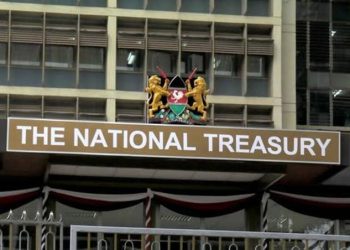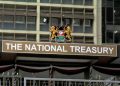



Kenya’s Parliament has approved the government’s plan to partially sell its stake in Safaricom, paving the way for the National Treasury to raise billions of shillings for infrastructure development. The move marks a significant shift in the government’s approach to financing major projects amid rising fiscal pressure.The sale is expected to unlock an estimated KSh 240 billion, which will be channeled into the proposed National Infrastructure Fund. This fund is designed to support large-scale projects in transport, energy, and housing without increasing the country’s already high public debt burden. With Kenya’s debt levels continuing to rise, the government is increasingly looking at alternative financing methods beyond traditional borrowing.
Safaricom, East Africa’s most profitable telecommunications company, has long been a key asset for the Kenyan government, providing consistent dividend income. However, policymakers argue that unlocking part of this value through a structured sale will create more immediate economic impact by funding critical development projects.Supporters of the move in Parliament emphasized that the partial divestment does not mean a complete exit. The government is expected to retain a significant stake in Safaricom, ensuring continued influence and benefit from future profitability. They also noted that the sale could deepen Kenya’s capital markets by increasing the availability of shares to both local and international investors.On the other hand, critics have raised concerns about the long-term implications of reducing government ownership in such a strategic and high-performing company. Some lawmakers questioned whether the sale offers value for money and warned that future dividend income could be significantly reduced. Others called for greater transparency in how the funds raised will be managed and allocated.
The approval comes at a time when Kenya is grappling with tight fiscal conditions, including budget deficits and increasing debt servicing costs. By opting to monetize existing assets rather than take on new loans, the government aims to strike a balance between development needs and financial sustainability.If executed effectively, the Safaricom stake sale could serve as a model for future public asset monetization in Kenya. However, its success will largely depend on transparent implementation, investor confidence, and the government’s ability to ensure that the proceeds are used efficiently to deliver tangible economic benefits.