British American Tobacco Kenya (BAT Kenya) expects its modern oral nicotine pouches to contribute between 15 and 20 percent of annual sales in the medium term, as the Nairobi Securities Exchange listed manufacturer accelerates its shift from traditional combustible cigarettes toward smoke free nicotine alternatives.
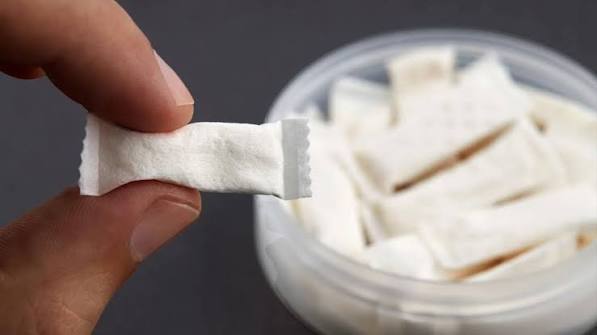
BAT Kenya CEO Sidney Wafula said nicotine pouches currently account for just one percent of the company’s total revenue, describing the category as “small, nascent”, but one the firm is banking on for future growth. “We are saying in the medium term, 15 to 20 percent of our revenue should come from this,” Wafula said, tying the ambition to the company’s broader goal of offering consumers less harmful products.
The pouches, sold under the Velo brand, have had a turbulent history in Kenya. BAT first introduced the product in 2019 under the Lyft name as part of efforts to diversify away from cigarettes. Sales were halted after a regulatory dispute with the Ministry of Health, and in 2024 the company sold off its nicotine pouch manufacturing machinery in Nairobi after it sat idle for five years, opting instead to rely on imports once it secured approval to relaunch the product.
BAT Kenya resumed Velo sales in July 2025 following what it described as improved regulatory clarity, and now imports the product from Pakistan after divesting its local manufacturing plant, though it has said it may reconsider local production depending on how the category performs.
The renewed push comes as the company’s traditional cigarette business faces mounting pressure. Wafula said half year pouch sales helped offset a downturn in domestic cigarette sales driven by the proliferation of illicit trade. Illicit cigarettes were estimated to account for 45 percent of the domestic market by the end of 2025, according to third-party research cited by the company, and Wafula described the trend as the most significant threat to the sustainability of the legitimate industry.
Despite that pressure, BAT Kenya’s net revenue grew 4.6 percent to Sh12.2 billion in the six months to June 2026, aided largely by a recovery in export sales linked to a stable currency, while net profit rose 3.1 percent to Sh3.08 billion, supported by higher exports and growing pouch demand. The board maintained an interim dividend of Sh10 per share.