
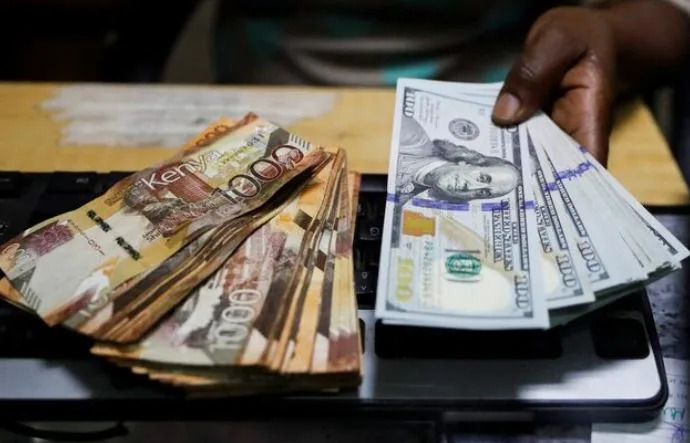


Kenya’s foreign exchange reserves remained strong at US$15.09 billion as of September 17, 2026, providing the country with a buffer equivalent to 6.1 months of import cover, according to the latest data from the Central Bank of Kenya (CBK).The reserves, which stood at US$15.088 billion, remain above the CBK’s statutory requirement of maintaining at least four months of import cover. Foreign exchange reserves are an important part of a country’s financial stability because they provide a cushion for meeting external obligations and supporting the foreign exchange market when necessary.The latest figures also show an increase from the US$14.882 billion recorded on September 3, when reserves were equivalent to 6.1 months of import cover.
At the same time, the Kenyan shilling remained relatively stable against the US dollar during the week ending September 17. The currency traded at KSh129.62 per US dollar on September 17, compared with KSh129.45 on September 10.The CBK does not set the exchange rate. Instead, the shilling’s value is determined by market conditions, including the supply and demand for foreign currency. The central bank says its participation in the foreign exchange market can be used to stabilise the market during periods of excessive volatility, rather than to defend a particular exchange-rate level.The stability of the shilling comes as Kenya continues to rely on foreign currency inflows from exports, tourism, remittances and other sources to meet its external financing needs.
Remittances also continued to provide an important source of foreign exchange. According to CBK data, remittance inflows reached US$451.8 million in August 2026, up from US$426.1 million in August 2025, representing a 6.0 percent increase.However, cumulative remittance inflows for the 12 months to August stood at US$5.013 billion, down 1.3 percent from US$5.079 billion recorded over a similar period a year earlier.For businesses and consumers, movements in foreign exchange reserves and the shilling remain important because exchange-rate changes can influence the cost of imported goods, fuel, international payments and foreign-currency-denominated obligations.For now, the latest CBK data points to a foreign exchange position that remains above the central bank’s minimum reserve threshold, while the shilling continues to trade within a relatively narrow range against the US dollar.