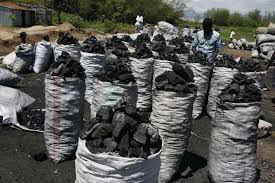
Charcoal prices in Kenya have soared to a five year high, placing a heavy burden on millions of low-income households that rely on it as their main source of cooking fuel. With a sack selling for record amounts in many markets, the cost of preparing a meal has become a daily strain for families already squeezed by rising food and transport expenses. This is not only an economic problem, but a social and environmental issue. Reduced access to forests, transport restrictions and enforcement measures aimed at protecting the environment have tightened supply. At the same time, rapid urbanization and population growth continue to push up demand. The combined effect is a market in which the poorest consumers pay more for the least efficient form of energy.
Kenya faces a deeper structural challenge, the slow shift to affordable and sustainable cooking alternatives. Although access to electricity has improved and liquefied petroleum gas is available in many urban centres, uptake among low-income households remains low. High upfront costs for clean stoves, inconsistent LPG supply and limited distribution infrastructure in rural areas keep many families trapped in the charcoal economy.
The consequences are wide range. Beyond the immediate strain on household budgets, heavy charcoal use accelerates deforestation and increases health risks due to indoor air pollution. It also works against climate goals because inefficient biomass burning produces significant greenhouse gas emissions. Addressing this problem requires a coordinated and inclusive strategy. First, targeted support for clean cooking technologies should be scaled up. Subsidies for stoves and safe LPG conversion kits, coupled with community distribution programs, can lower the initial barrier that prevents many households from switching.
Second, policy design must be more nuanced. Blanket restrictions on charcoal production and transport can have the unintended effect of pushing activity underground and inflating prices. A managed transition that supports sustainable production methods, recognizes the livelihoods of charcoal producers and creates incentives for alternative income streams will reduce market shocks and protect vulnerable workers.


Third, the private sector can accelerate change through innovative financing and delivery models. Pay as you go schemes, micro loans and last mile distribution partnerships can make cleaner fuels affordable and reliable for low-income consumers. When fintech companies, energy firms and local entrepreneurs collaborate with public programs, adoption rates rise, and supply chains become more resilient.
Finally, community engagement is essential. Behavioural change, supported by awareness campaigns that explain the health and economic benefits of cleaner cooking, complements hardware and finance interventions. Women, who are often the primary users of household energy, should be central to program design and implementation.
Charcoal price spikes are a warning sign about the fragility of current energy choices. Unless deliberate and inclusive steps are taken to widen access to modern, affordable cooking options, millions will remain locked into an expensive and unsustainable cycle. The solution will require political will, smart investment and a focus on the households most at risk. Only then can Kenya move from coping with rising costs to building a more secure and healthier energy future.