

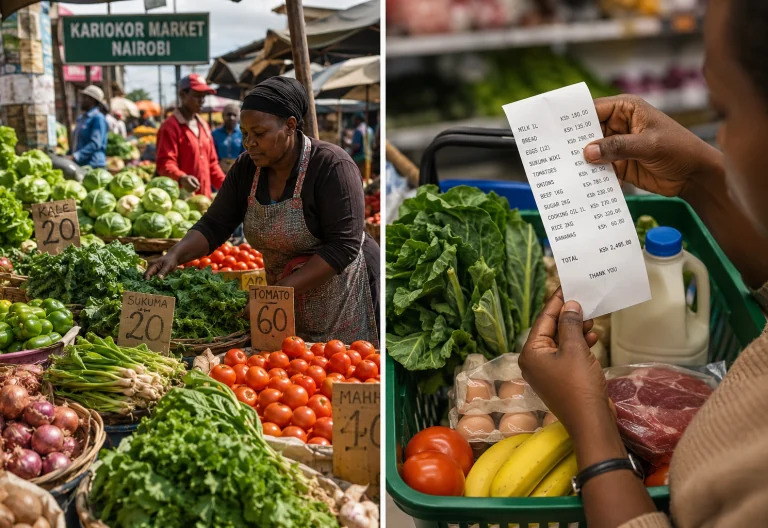
Kenya’s annual inflation rate increased to 6.8% in September 2026, up from 6.6% in August, highlighting continued pressure on household budgets and the cost of living. The increase reflects rising prices of essential goods, particularly processed food products, including milk and wheat-based items.Inflation measures the rate at which prices of goods and services increase over time. When inflation rises, households need more money to maintain the same standard of living, while businesses face higher operating costs that may eventually be passed on to consumers.
Food remains a key component of household expenditure in Kenya. An increase in the prices of everyday products reduces the purchasing power of consumers, particularly those whose incomes have not increased at the same pace.Higher food prices can also affect businesses across the supply chain, from manufacturers and distributors to retailers and restaurants. Businesses may respond by adjusting their prices, reducing profit margins or reviewing operating expenses.For households, rising inflation makes budgeting increasingly important. Consumers may need to prioritise essential expenses, limit discretionary spending and maintain emergency savings to manage unexpected increases in expenditure.
Inflation trends are closely monitored by the Central Bank of Kenya (CBK) as it makes monetary policy decisions aimed at maintaining price stability. On October 7, 2026, the CBK retained its Central Bank Rate at 8.75%, maintaining its existing policy position.Interest rates influence the cost of borrowing across the economy. Higher borrowing costs can discourage some households and businesses from taking loans, moderating spending and demand. Conversely, lower rates can encourage borrowing and investment, potentially stimulating economic activity.However, monetary policy does not immediately reduce the prices of goods already affected by supply-side pressures. Factors such as agricultural production, transport costs and international commodity prices can also influence domestic inflation.
Rising inflation reinforces the importance of financial planning. Households can review their budgets, track spending and compare prices to manage essential expenses more effectively.For savers and investors, inflation also highlights the importance of evaluating returns in real terms. An investment’s nominal return does not necessarily translate into increased purchasing power if inflation is higher.As Kenya continues to monitor price developments, the direction of inflation will remain important for household finances, business planning and future monetary policy decisions.